
Loading…
Rattus rattus
Slender black rats that climb expertly and nest in attics, ceilings, and roof voids — major carriers of disease and structural damage.
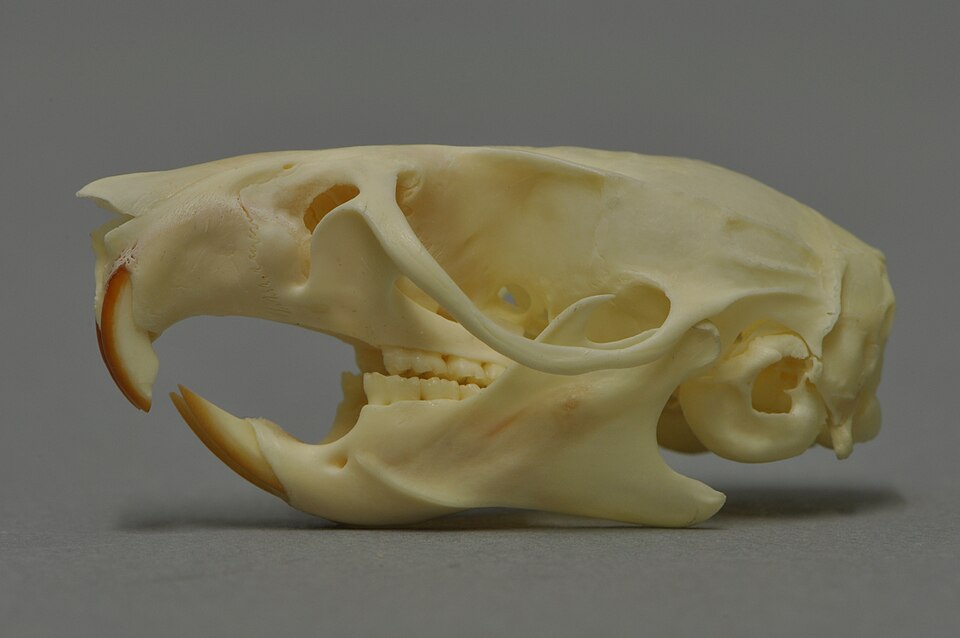
33–46 cm (13–18 in) including tail
Grayish to black fur with a lighter underside. Large dark eyes and ears, pointed snout, and a long slender tail nearly matching body length.
Grains, fruits, vegetables, meats, and sweets. Targets pantries, warehouses, and kitchens. Contaminates 10× what they eat.
Excellent climbers — nest high in attics, ceilings, and roof voids. Primarily nocturnal; foraging at night.
High sheltered areas — attics, ceilings, behind walls, and rafters. Use insulation, cardboard, and fabric for nests.
Transmit leptospirosis, salmonella, hantavirus, and host fleas/ticks. Gnaw electrical wiring, creating fire hazards.
Every roof rat engagement follows our proven three-step methodology — tailored precisely to this pest.
Inspect roofs, attics, ceiling voids, and outdoor climbing routes (vines, wires, branches).
Deploy snap traps, professional bait stations, and seal openings ≥1.5 cm with steel wool/hardware cloth.
Trim climbing routes, monitor monthly, and maintain rooftop and attic exclusions.
The most common things people ask us about roof rat — straight from years of fieldwork.
Identify and learn about pests that share habits, habitats, or treatment approaches.
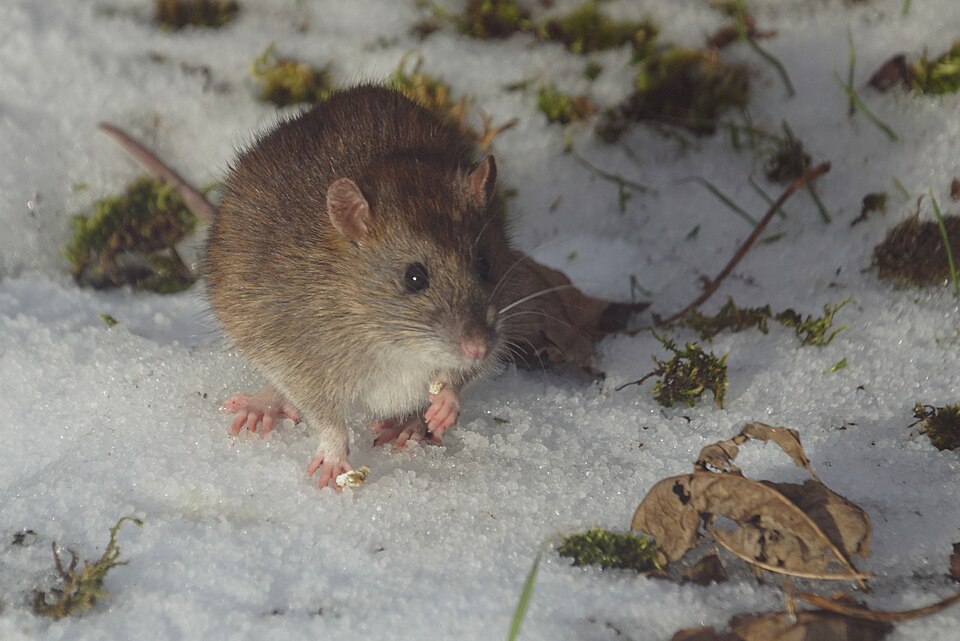 Rodent
The heavy ground-dwelling burrower
Large brown rats that burrow at ground level near foundations, sewers, and waste areas — aggressive scavengers and vectors of disease.
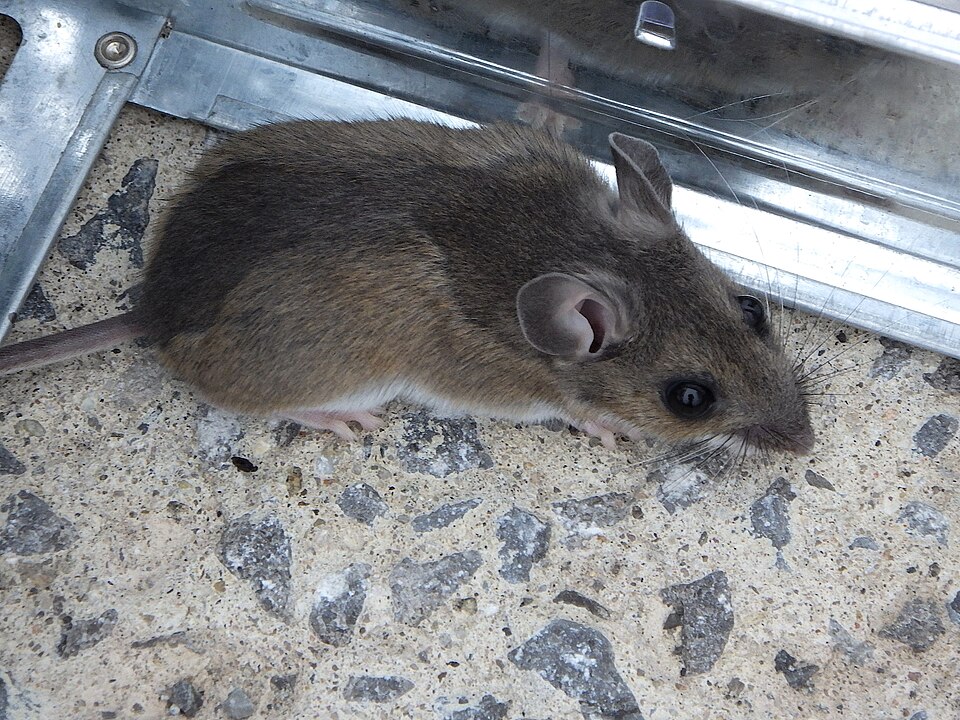 Rodent
The clever small rodent that fits anywhere
Small agile rodents that squeeze through tiny gaps, breed rapidly, and contaminate food while causing electrical and structural damage.
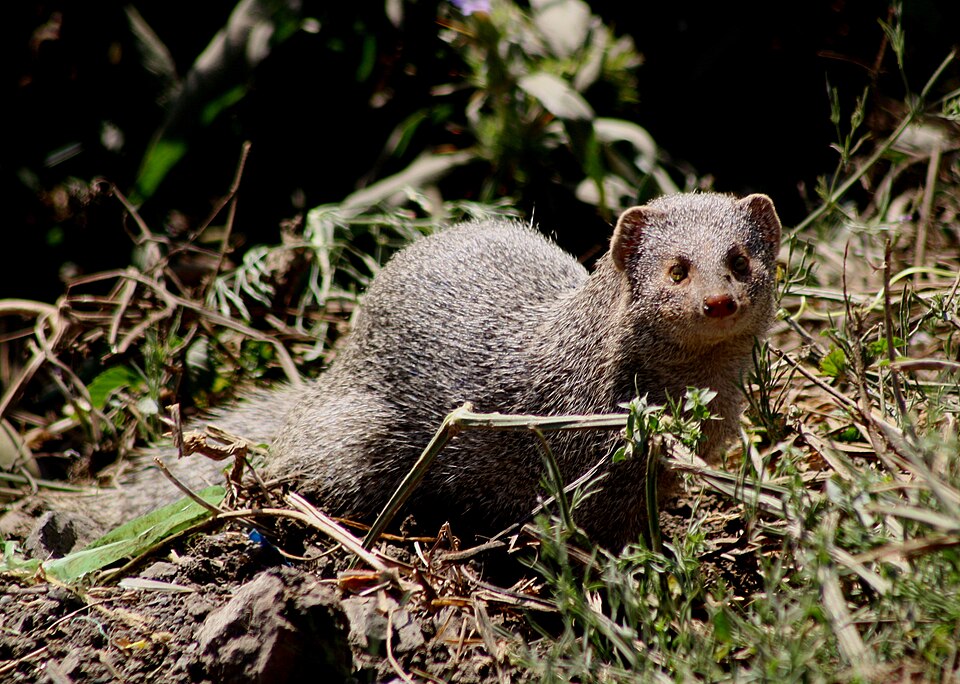 Rodent
Agile predator that scavenges urban edges
Slender carnivorous mammals that hunt rodents and snakes — beneficial predators that occasionally become urban nuisances near waste and food storage.
Choose Urban Pest Solution for comprehensive, technology-driven pest control. Our A.I.R approach makes us the ideal partner for a pest-free environment.