
Loading…
A complete guide to pests you may encounter in your home, office, or facility — biology, behavior, and our A.I.R. treatment approach for each.
Identify, understand, and control 24+ common pests across Pakistan with science-backed insights and our proven treatment methodology.
Showing 24 pests
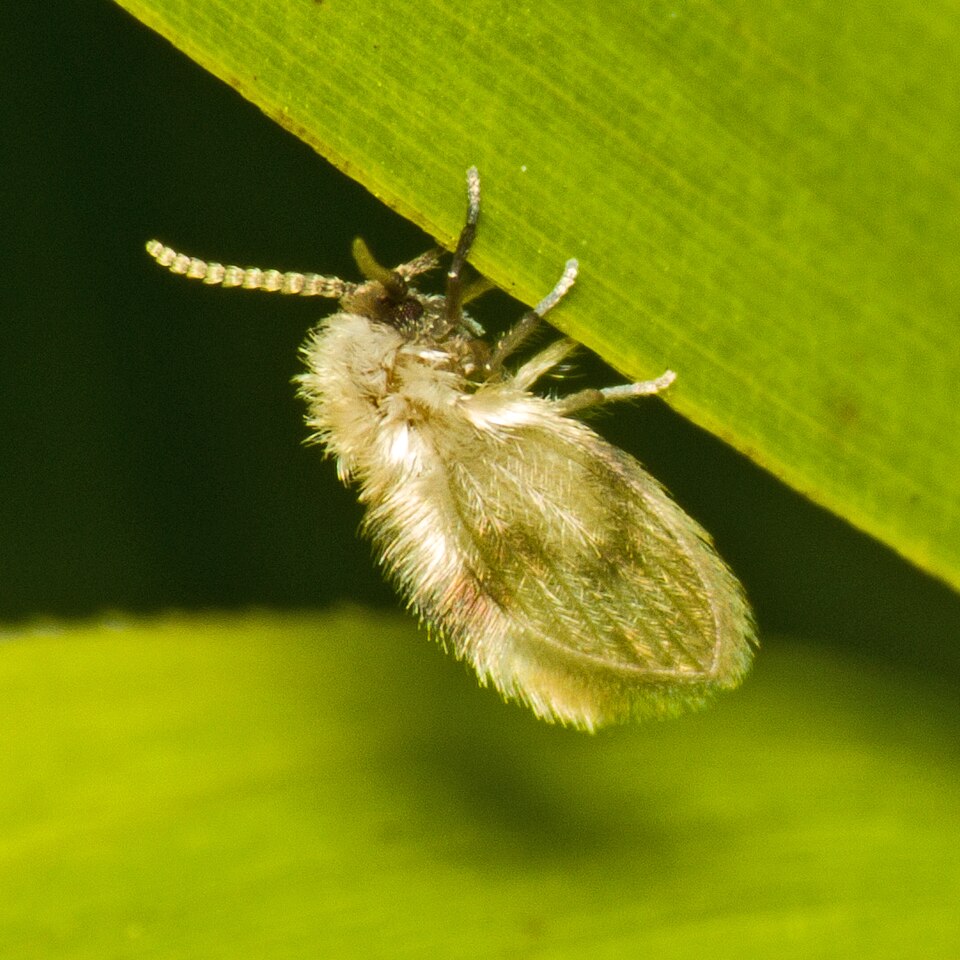 Flying
Tiny moth-like fliers in damp drains
Small fuzzy flies that breed in clogged drains, sink traps, and stagnant water — a clear signal of hidden sanitation issues.
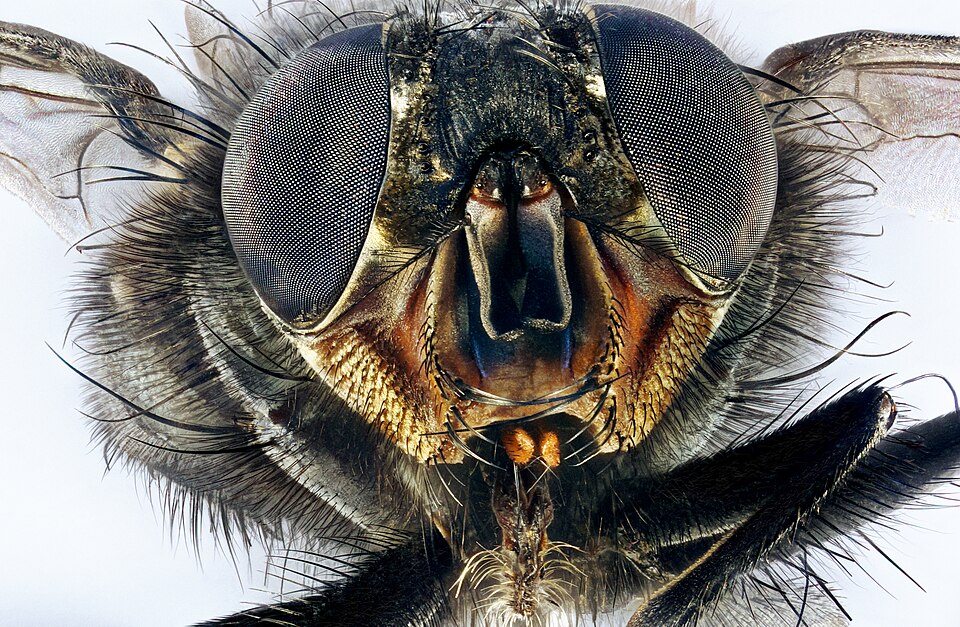 Flying
The classic disease-spreading household pest
A common gray fly with sponging mouthparts that lands on food, waste, and surfaces — a major mechanical vector of bacterial disease.
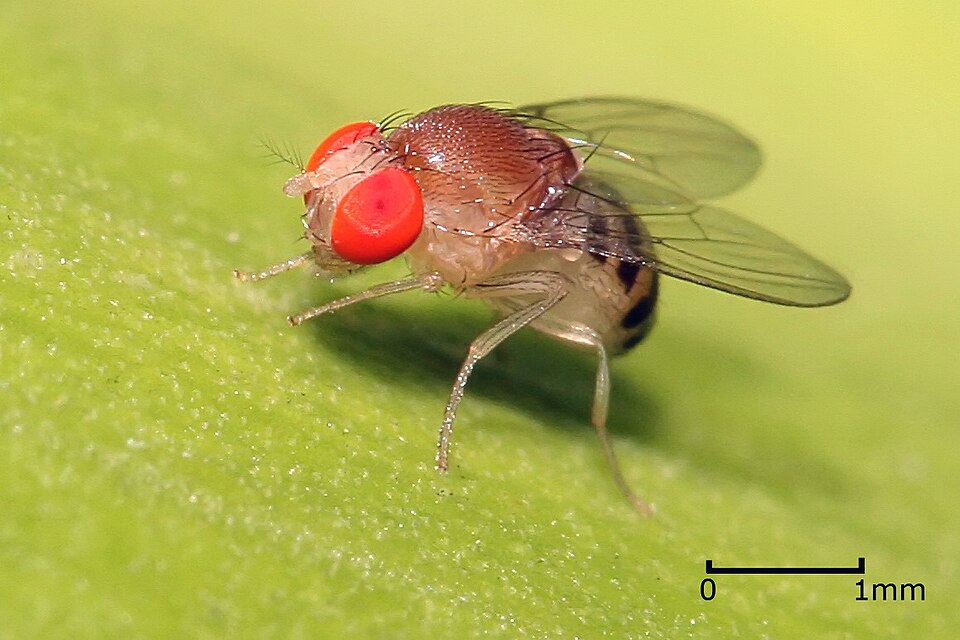 Flying
Tiny hovering flies on overripe produce
Small tan flies with red eyes that breed in fermenting fruit, drains, and sugary residues — capable of explosive population growth.
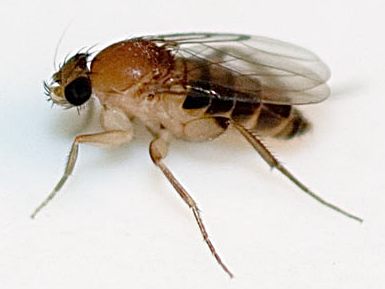 Flying
The humpbacked drain dweller
A small humpbacked fly that runs more than it flies, breeding in decay and posing a contamination risk in food and healthcare settings.
 Flying
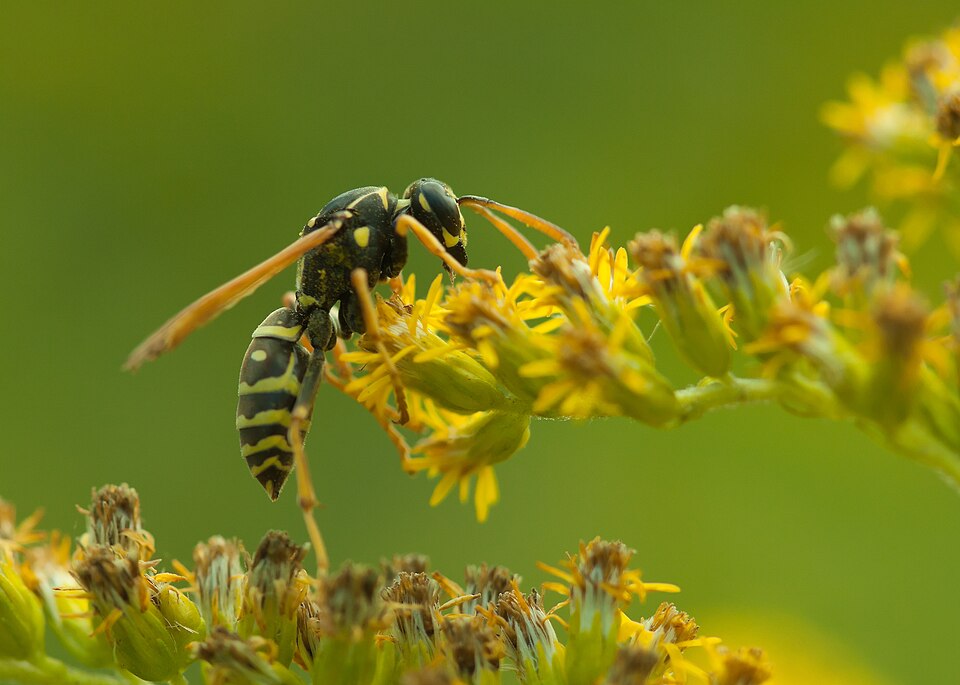
Slender stingers with umbrella-shaped nests
Slender wasps that build open paper nests in eaves and corners — beneficial pollinators, but capable of repeated stings when nests are disturbed.
 Flying
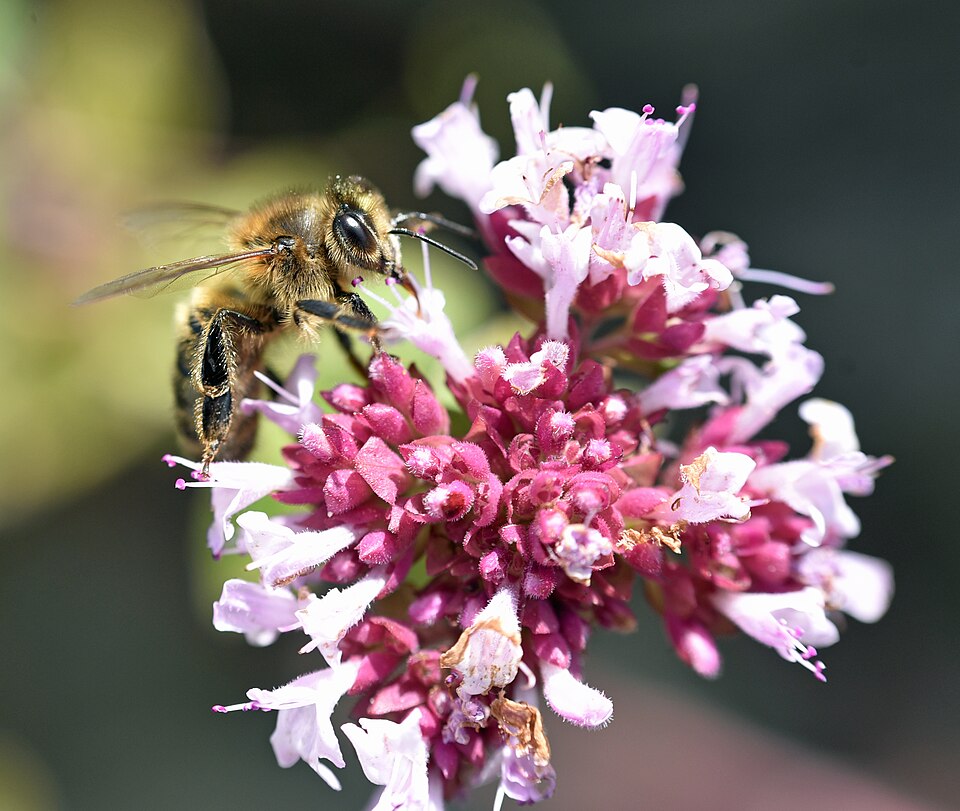
Vital pollinators best relocated, not killed
Essential pollinators that occasionally nest in cavities and walls — should be relocated by beekeepers rather than exterminated.
 Flying
Dawn-and-dusk biters and disease carriers
Slender biting flies that breed in any standing water and transmit diseases like dengue, malaria, and chikungunya across South Asia.
 Crawling
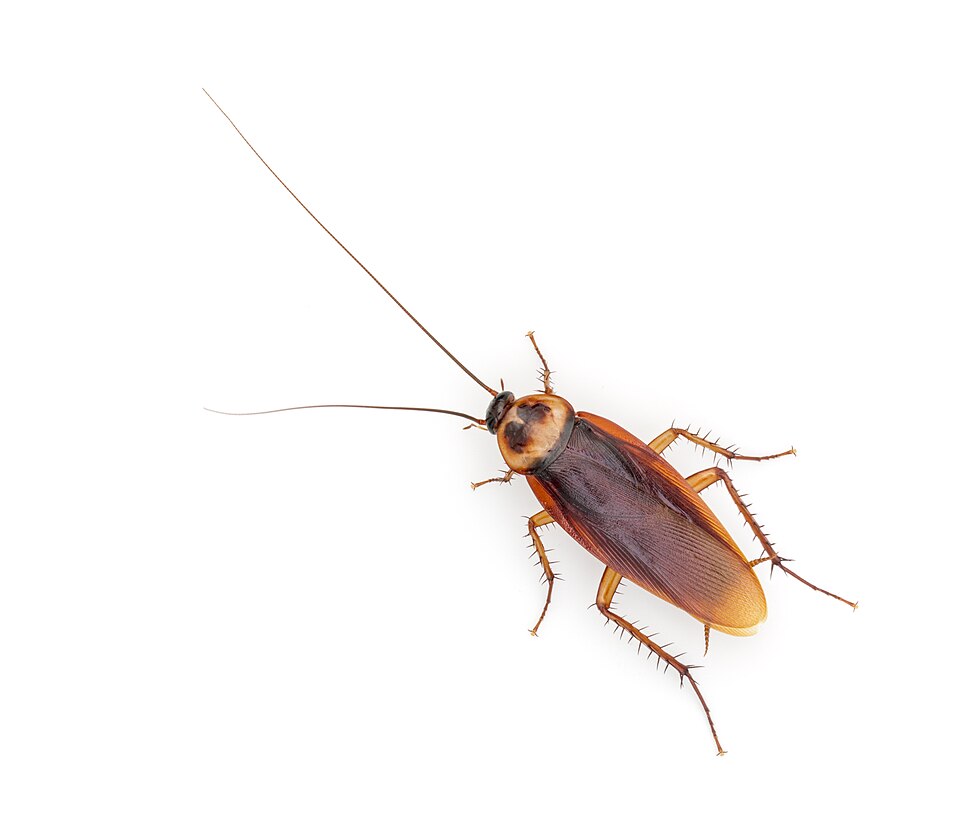
The large reddish-brown 'palmetto bug'
Large fast-running roaches that can fly short distances and thrive in damp, dark spaces near plumbing — a major contamination risk.
 Crawling
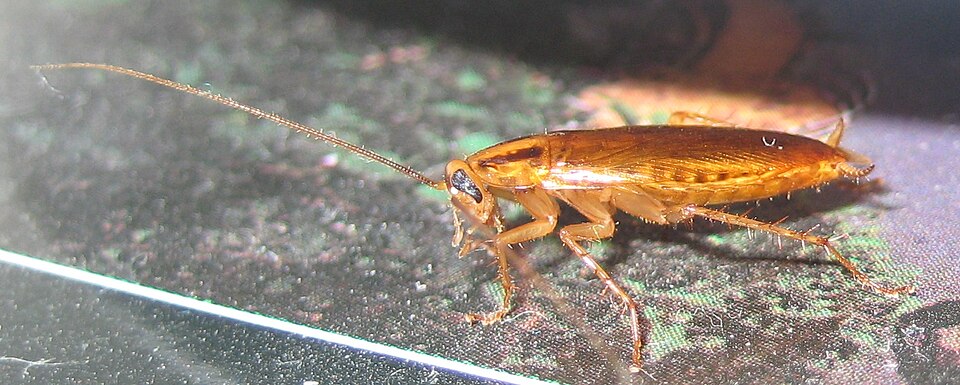
The small kitchen-dwelling fast breeder
The most common indoor cockroach worldwide — small, light brown, and the fastest-breeding species, requiring professional control.
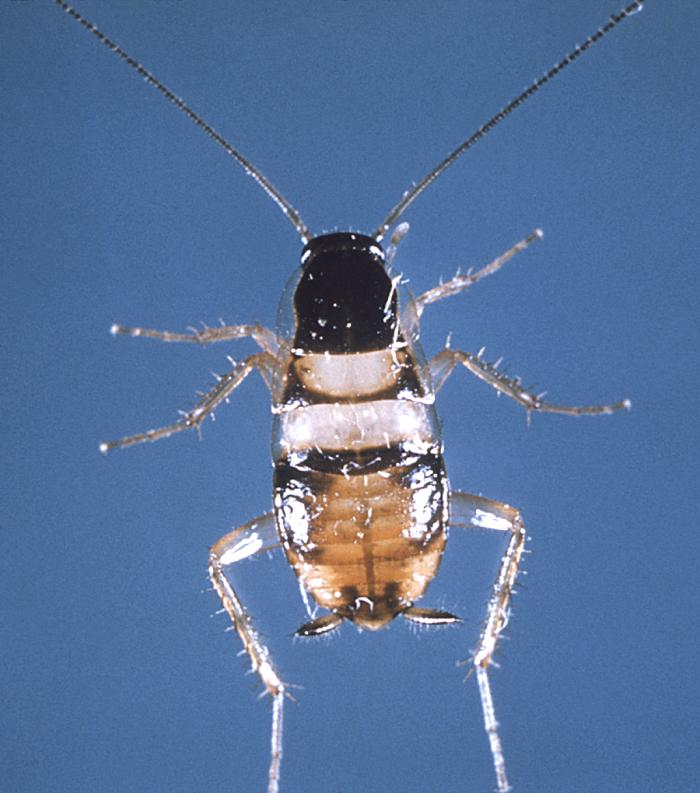 Crawling
The dry-loving roach found high and hidden
A small banded roach that prefers dry, warm, elevated locations — often found in bedrooms, electronics, and high cabinets, unlike kitchen roaches.
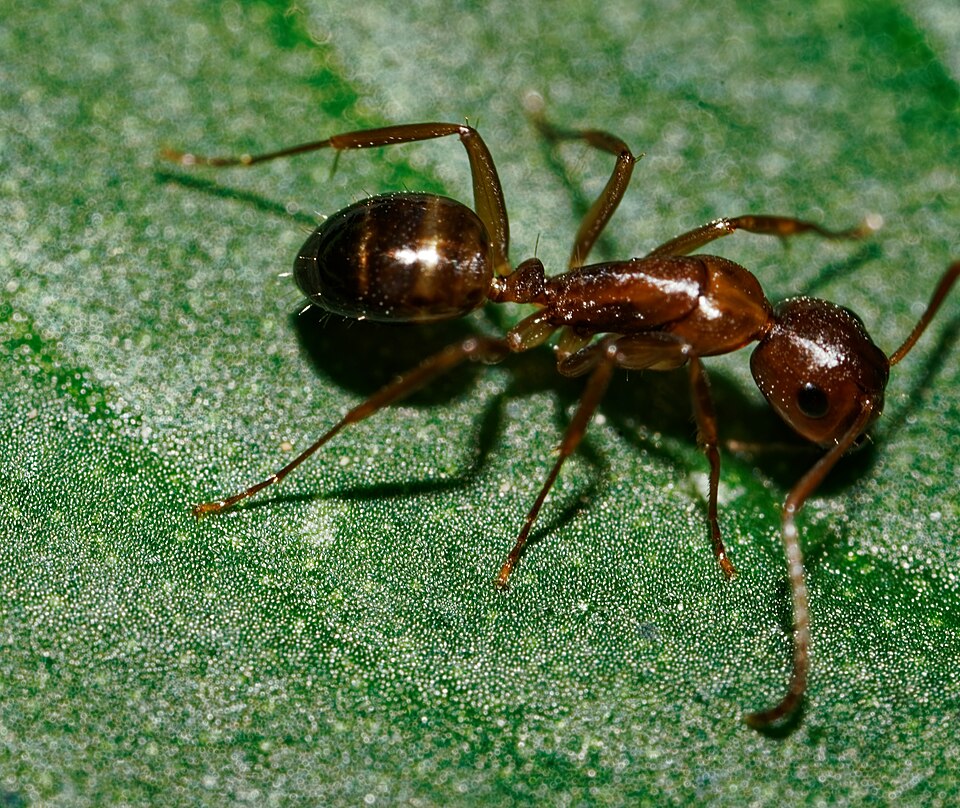 Crawling
Trail-following invaders of the home
Highly social colony insects that follow chemical trails into homes for food and water — control requires targeting the entire colony, not workers.
 Crawling
Nighttime blood feeders that hitch on luggage
Reddish-brown blood-feeders that hide in mattress seams and furniture, feeding at night — extremely difficult to eliminate without professional treatment.
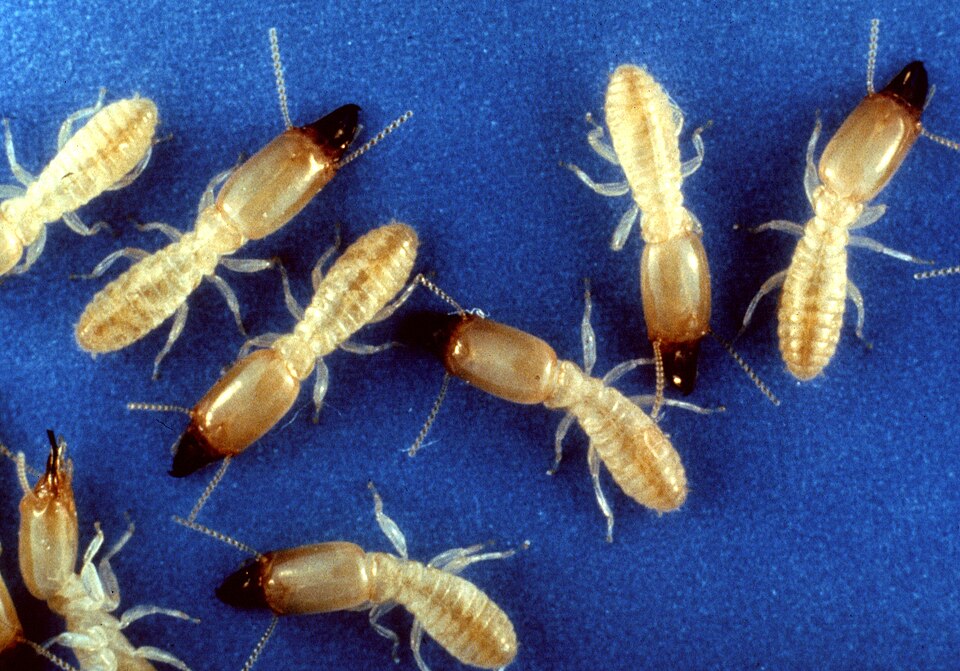 Crawling
Silent destroyers of wooden structures
Cellulose-eating colony insects that quietly hollow out wood, drywall, and insulation — capable of major structural damage in months.
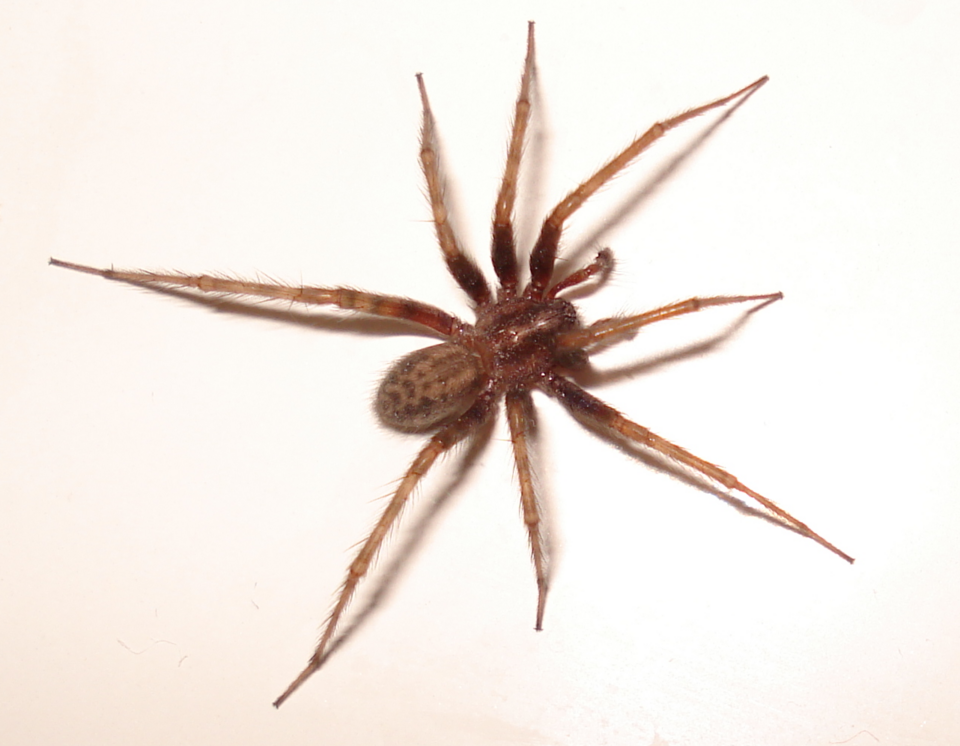 Crawling
Eight-legged web builders and hunters
Predatory arachnids that control insect populations but become unwanted when webs accumulate or venomous species are found indoors.
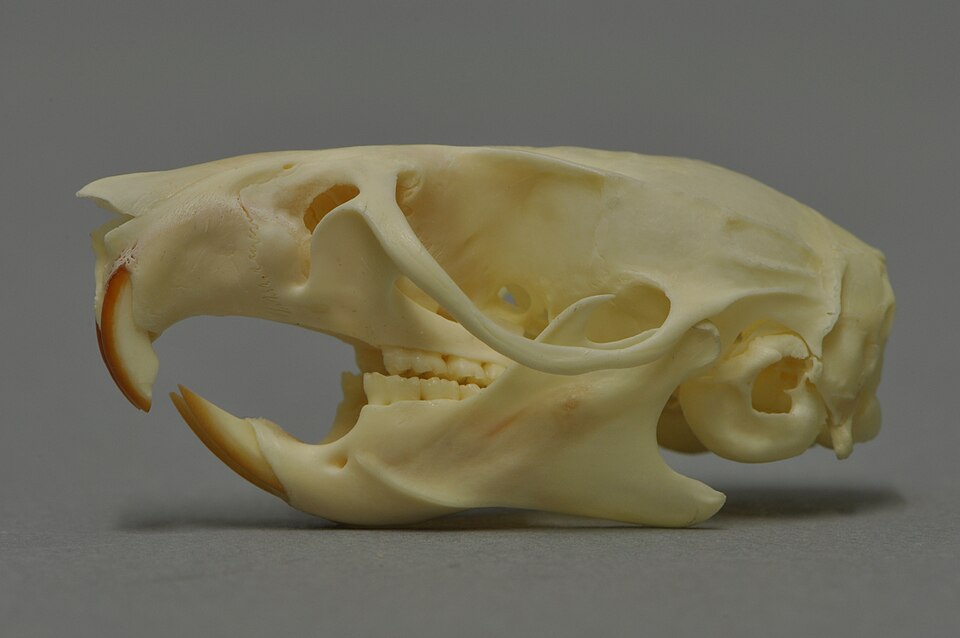 Rodent
The agile climber that nests up high
Slender black rats that climb expertly and nest in attics, ceilings, and roof voids — major carriers of disease and structural damage.
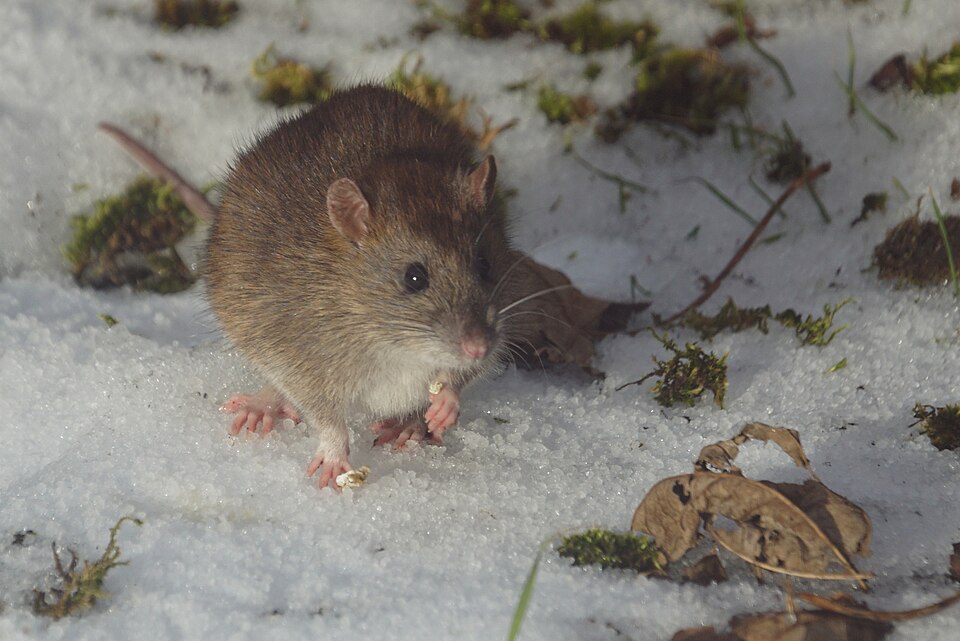 Rodent
The heavy ground-dwelling burrower
Large brown rats that burrow at ground level near foundations, sewers, and waste areas — aggressive scavengers and vectors of disease.
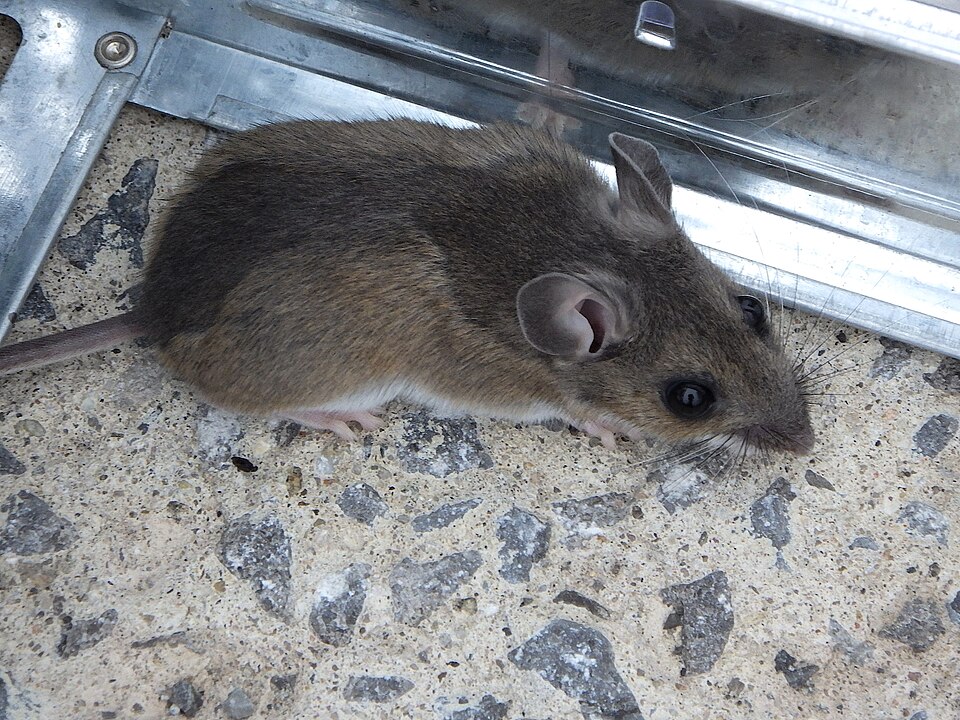 Rodent
The clever small rodent that fits anywhere
Small agile rodents that squeeze through tiny gaps, breed rapidly, and contaminate food while causing electrical and structural damage.
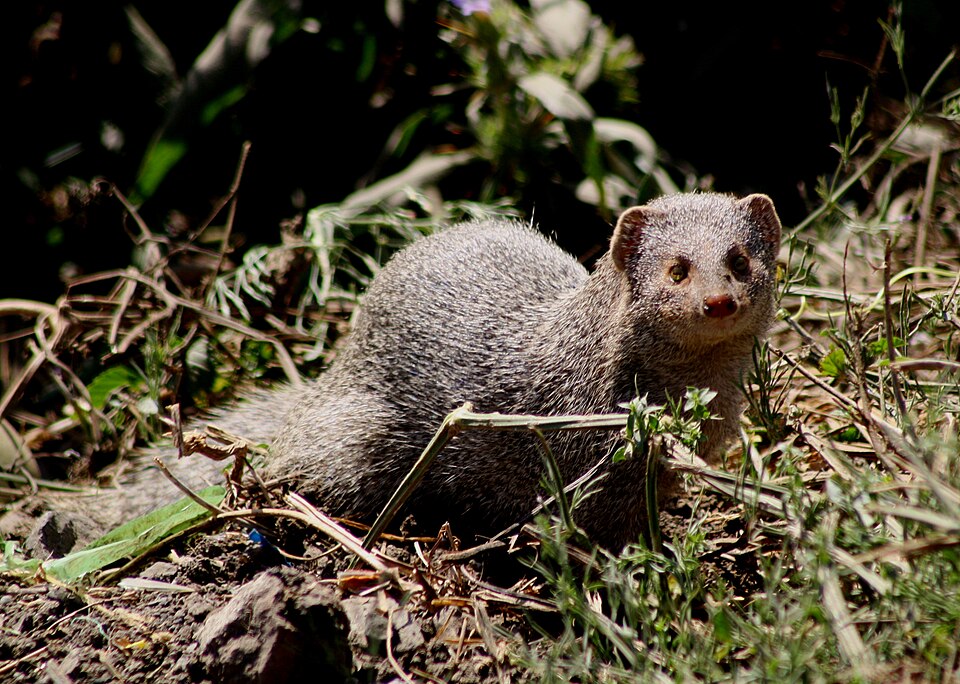 Rodent
Agile predator that scavenges urban edges
Slender carnivorous mammals that hunt rodents and snakes — beneficial predators that occasionally become urban nuisances near waste and food storage.
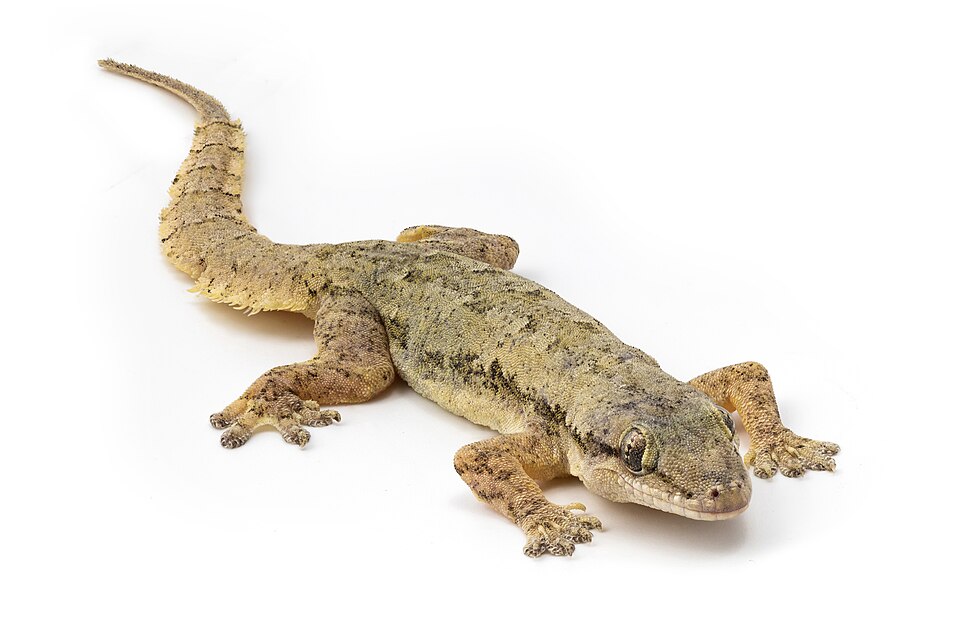 Reptile
Harmless wall-clinging insect predator
Small geckos that cling to walls and ceilings hunting insects — harmless to humans but unwanted indoors due to droppings and visibility.
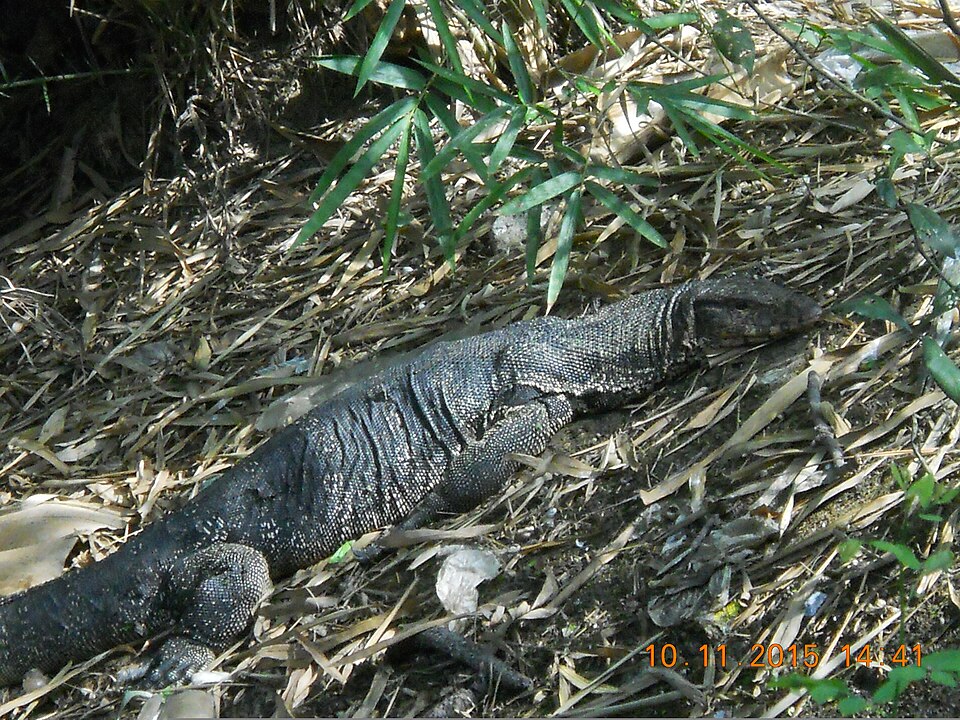 Reptile
Large reptile that scavenges urban edges
Large powerful reptiles that climb, swim, and scavenge — generally non-aggressive but capable of strong defensive bites and tail strikes if cornered.
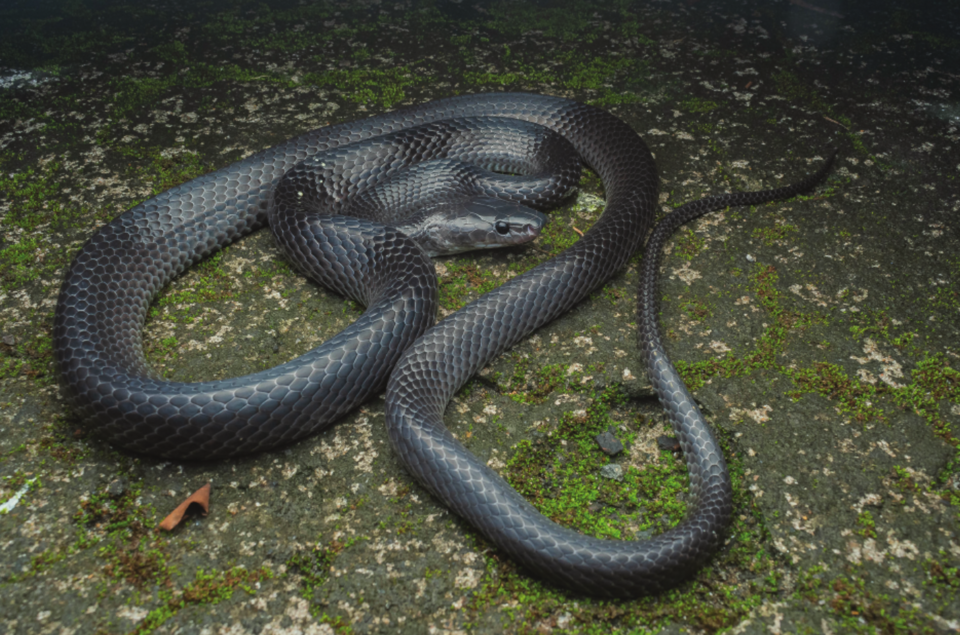 Reptile
Stealth hunters drawn by rodent prey
Limbless reptiles that follow rodent prey into homes and gardens — most are harmless but venomous species require immediate professional handling.
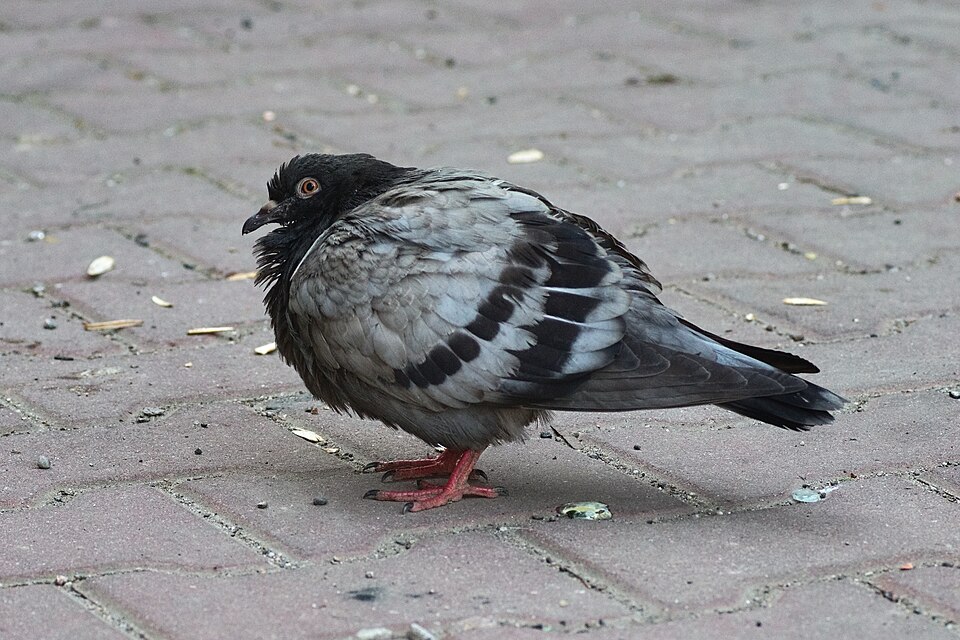 Vertebrate
Pigeons, sparrows & roof-nesting flocks
Urban birds — primarily pigeons — that roost on buildings and create extensive damage from droppings, nesting, and disease vectors.
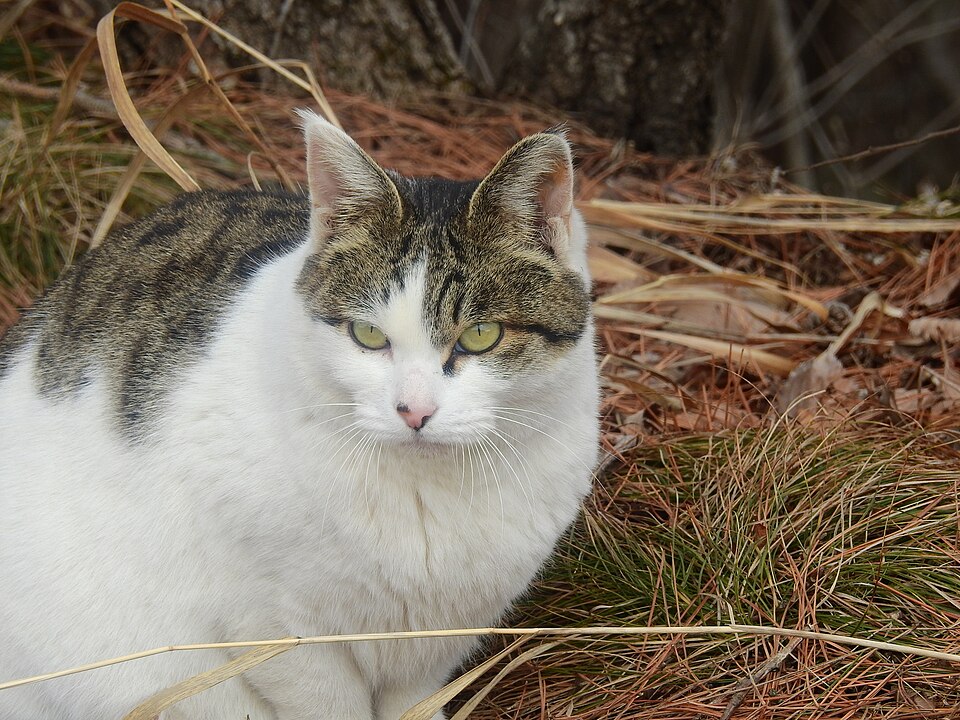 Vertebrate
Feral colonies near food and shelter
Feral and stray cats that establish colonies in alleys, basements, and rooftops — carriers of parasites and a wildlife concern, requiring humane management.
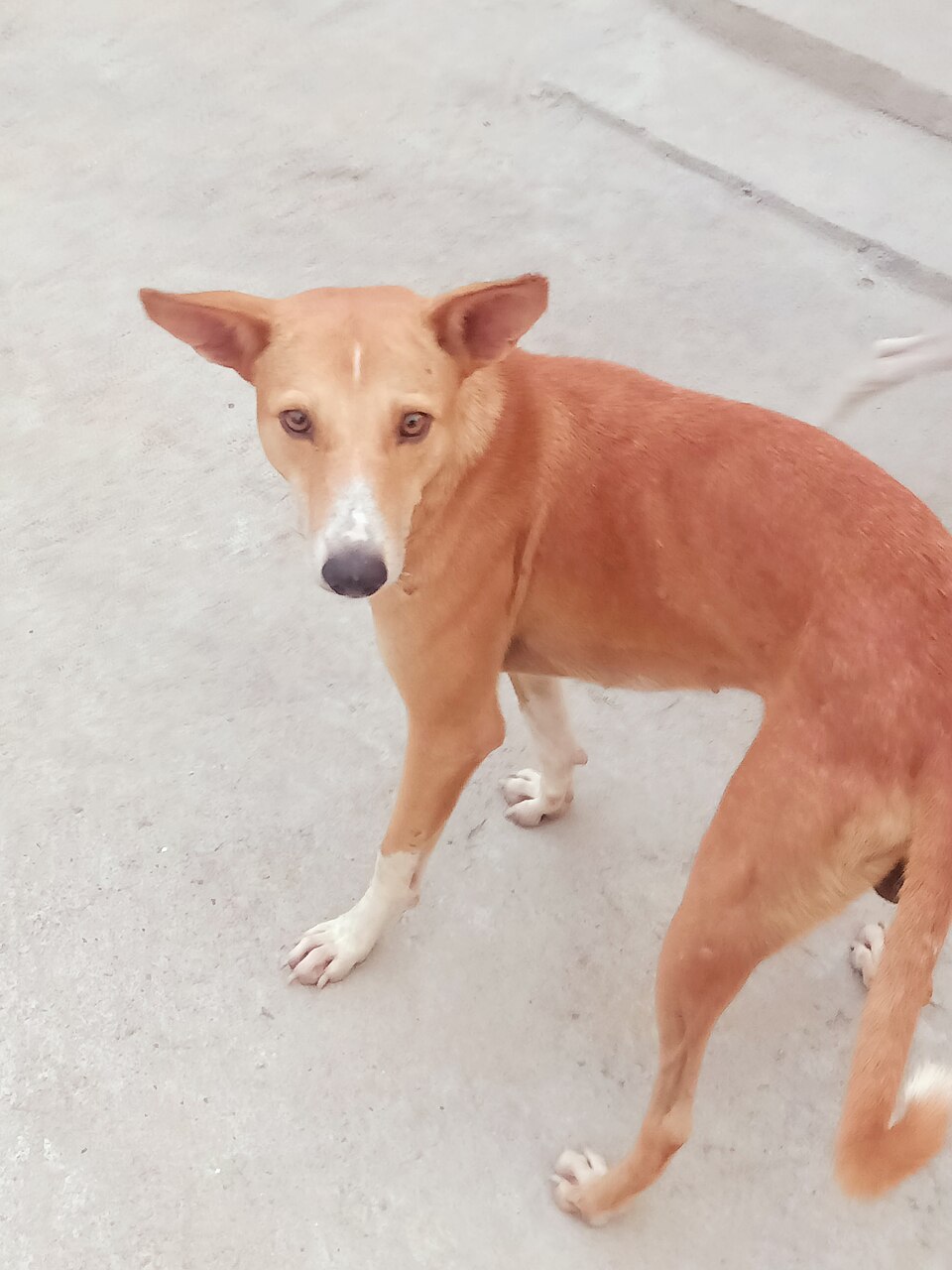 Vertebrate
Loose dogs requiring humane management
Stray and loose dogs in urban areas that pose bite risks and disease vectors — requiring humane handling, vaccination, and animal control coordination.
Choose Urban Pest Solution for comprehensive, technology-driven pest control. Our A.I.R approach makes us the ideal partner for a pest-free environment.