
Loading…
Various (Columba livia, Passer domesticus, etc.)
Urban birds — primarily pigeons — that roost on buildings and create extensive damage from droppings, nesting, and disease vectors.
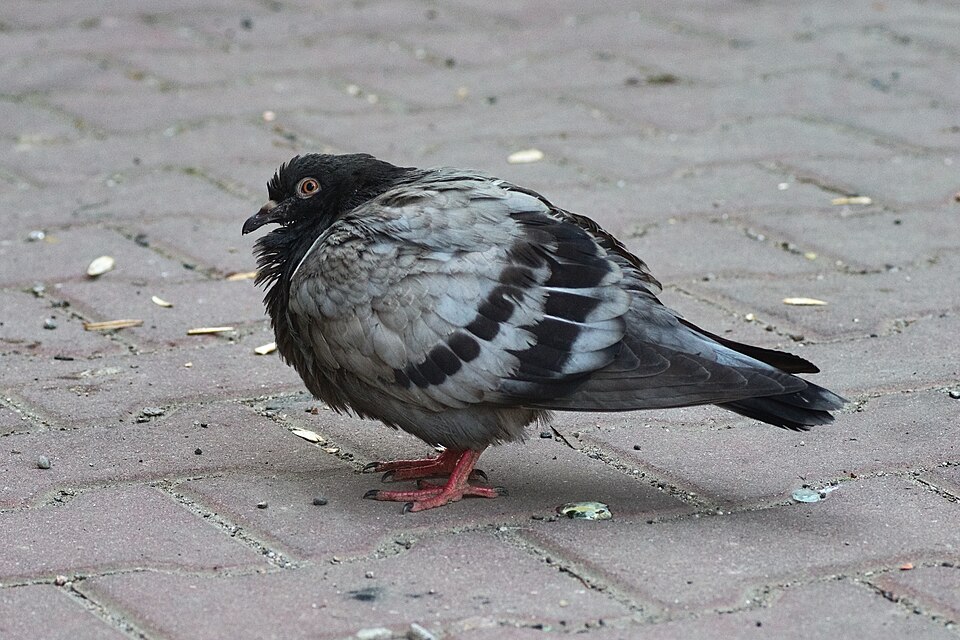
Pigeons: 30–35 cm; sparrows smaller
Gray, brown, or black plumage with species-specific markings. Pigeons have iridescent neck feathers; short to medium beaks for pecking.
Discarded food scraps, grains, seeds, fruit peels, sugary residues, insects, and processed human food.
Often flock; vocal with repetitive calls. Most active in spring and fall during breeding and migration.
Rooftops, ledges, balconies, building crevices, drain pipes, structural gaps, and abandoned warehouses.
Droppings transmit histoplasmosis, cryptococcosis, and salmonella. Damage signage, AC units, and gutters; corrode building surfaces (acidic droppings).
Every birds engagement follows our proven three-step methodology — tailored precisely to this pest.
Survey rooftops, ledges, signage, and balconies for nesting and roosting sites.
Install bird spikes, netting, electric track, or visual deterrents. Remove nests outside of breeding season per local regulations.
Inspect annually before breeding seasons; repair gaps and maintain deterrent integrity.
The most common things people ask us about birds — straight from years of fieldwork.
Identify and learn about pests that share habits, habitats, or treatment approaches.
 Vertebrate
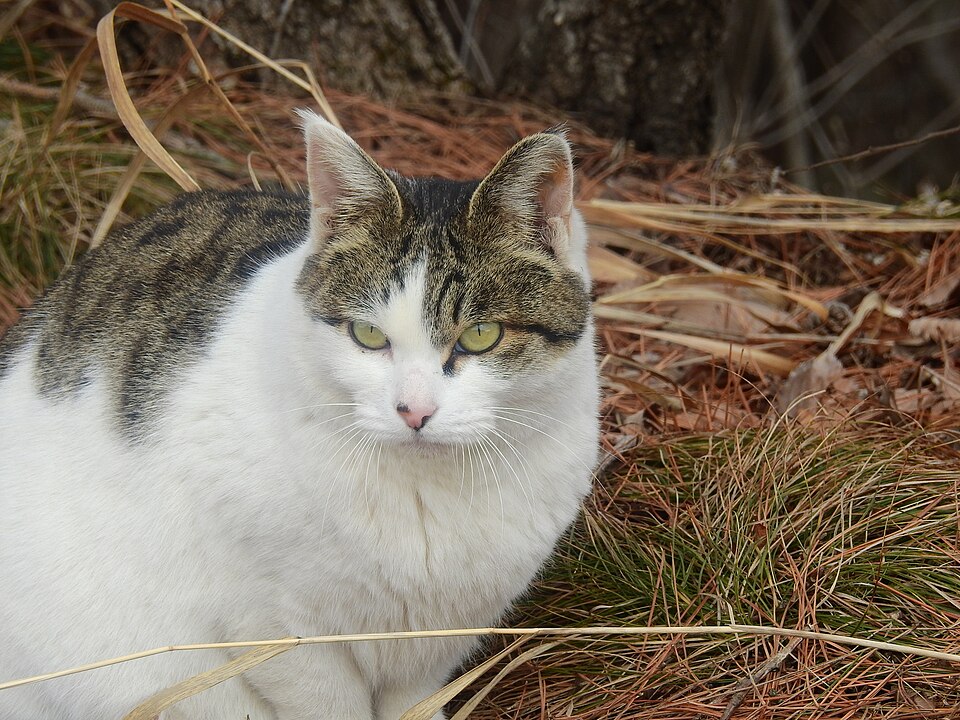
Feral colonies near food and shelter
Feral and stray cats that establish colonies in alleys, basements, and rooftops — carriers of parasites and a wildlife concern, requiring humane management.
 Vertebrate
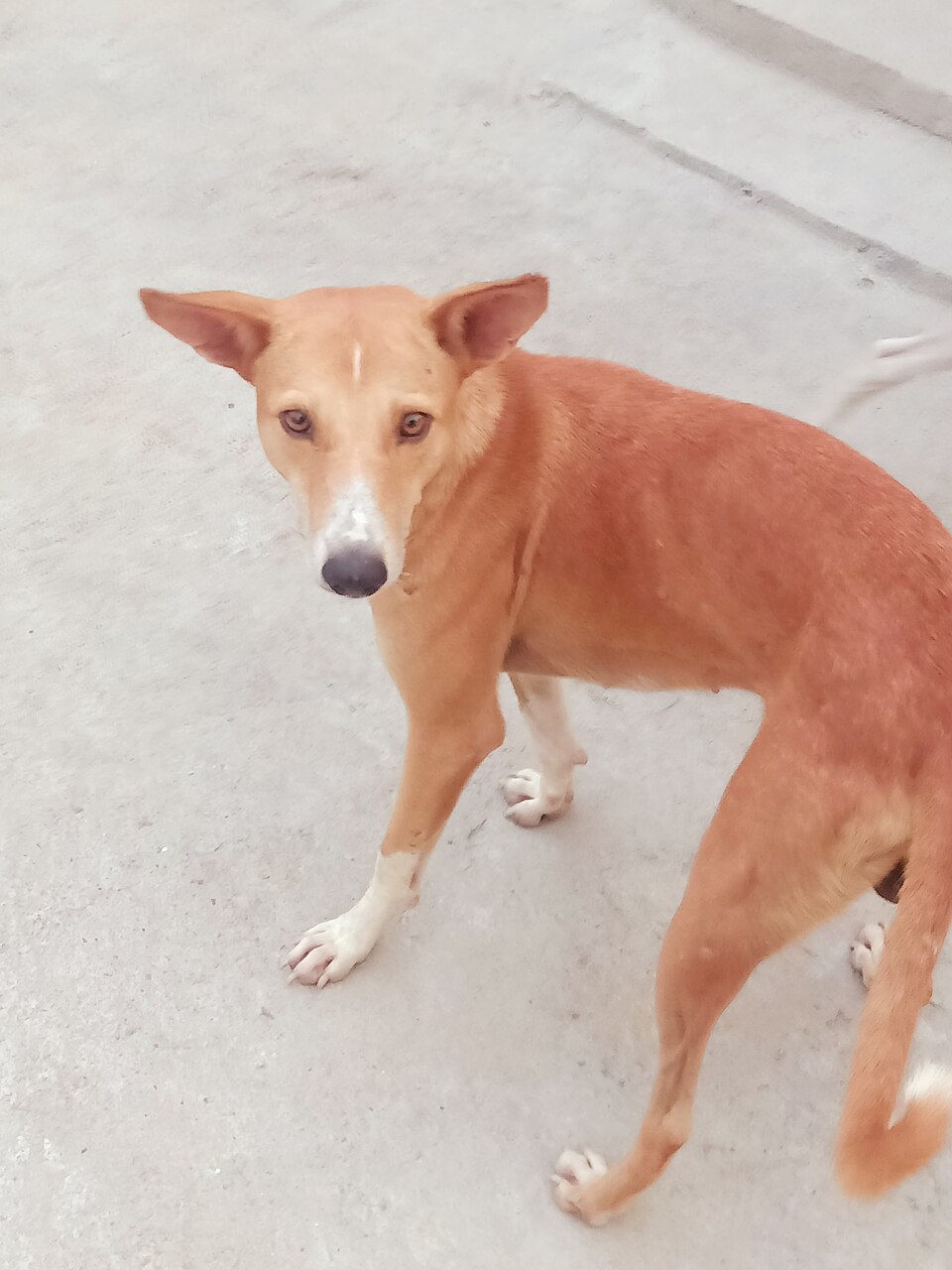
Loose dogs requiring humane management
Stray and loose dogs in urban areas that pose bite risks and disease vectors — requiring humane handling, vaccination, and animal control coordination.
Choose Urban Pest Solution for comprehensive, technology-driven pest control. Our A.I.R approach makes us the ideal partner for a pest-free environment.