
Loading…
Canis lupus familiaris
Stray and loose dogs in urban areas that pose bite risks and disease vectors — requiring humane handling, vaccination, and animal control coordination.
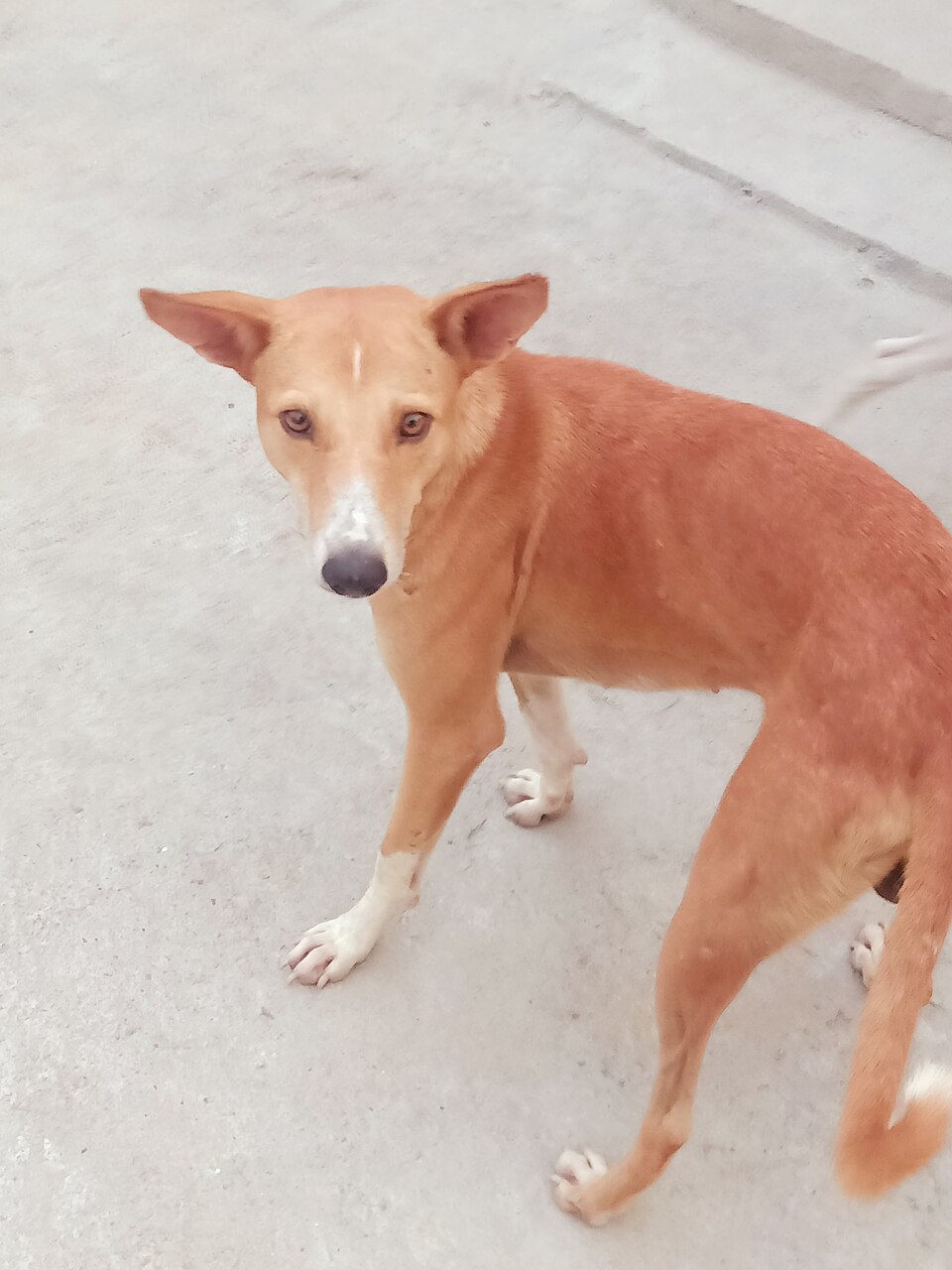
Highly variable — small breeds 2–6 lb to large breeds 150 lb+
Highly variable across breeds — fur length, color, ear shape, and body size differ widely.
Omnivorous — scavenge food waste, hunt small animals, and accept handouts. Fed dogs in colonies become bolder.
Social and territorial. Loose dogs may form packs, increasing bite and intimidation risk.
Apartments, neighborhoods, parks, sidewalks, and green areas. Strays gather where food and shelter are available.
Bite injuries are the primary concern. Strays can transmit rabies, leptospirosis, and parasites including ticks and fleas.
Every stray dogs engagement follows our proven three-step methodology — tailored precisely to this pest.
Identify activity zones, feeding sites, and population size.
Humane traps, secure waste, partner with municipal animal control, and support vaccination/sterilization programs.
Coordinate ongoing vaccination cycles and maintain perimeter exclusion.
The most common things people ask us about stray dogs — straight from years of fieldwork.
Identify and learn about pests that share habits, habitats, or treatment approaches.
 Vertebrate
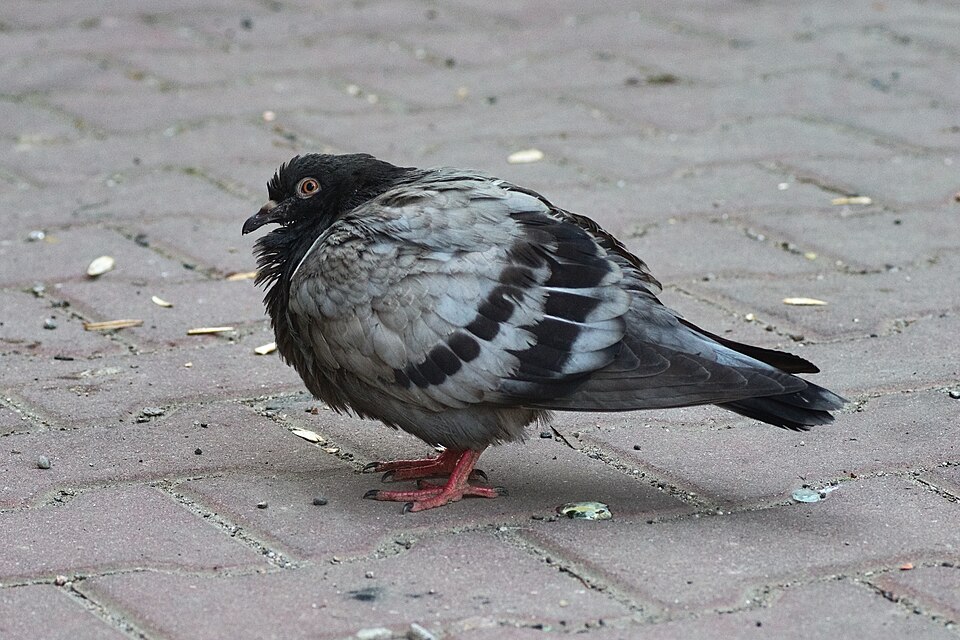
Pigeons, sparrows & roof-nesting flocks
Urban birds — primarily pigeons — that roost on buildings and create extensive damage from droppings, nesting, and disease vectors.
 Vertebrate
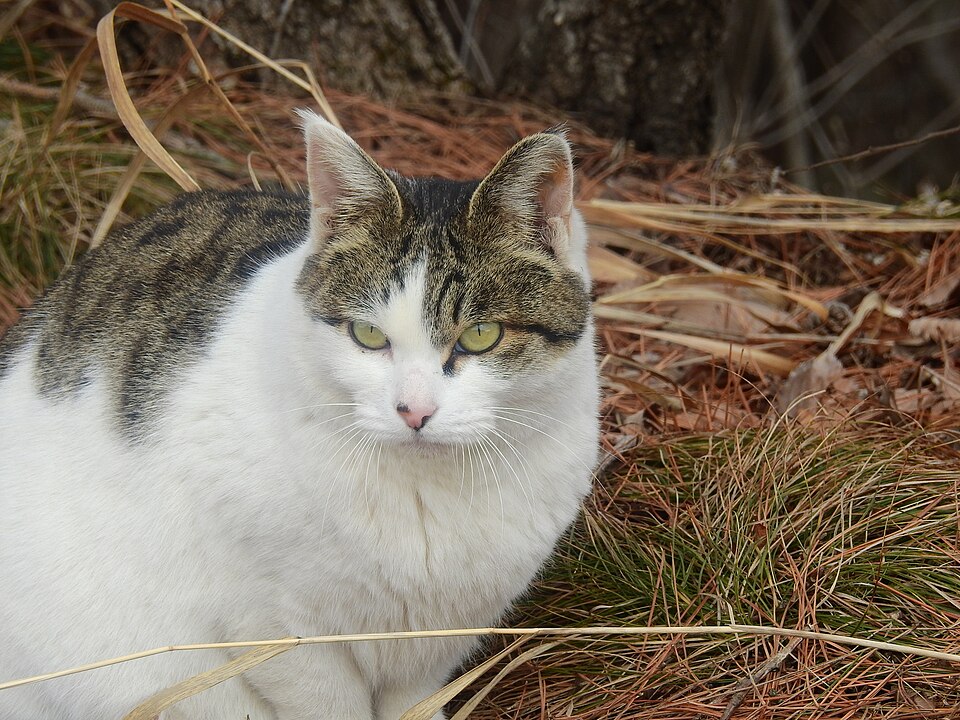
Feral colonies near food and shelter
Feral and stray cats that establish colonies in alleys, basements, and rooftops — carriers of parasites and a wildlife concern, requiring humane management.
Choose Urban Pest Solution for comprehensive, technology-driven pest control. Our A.I.R approach makes us the ideal partner for a pest-free environment.