
Loading…
Formicidae
Highly social colony insects that follow chemical trails into homes for food and water — control requires targeting the entire colony, not workers.
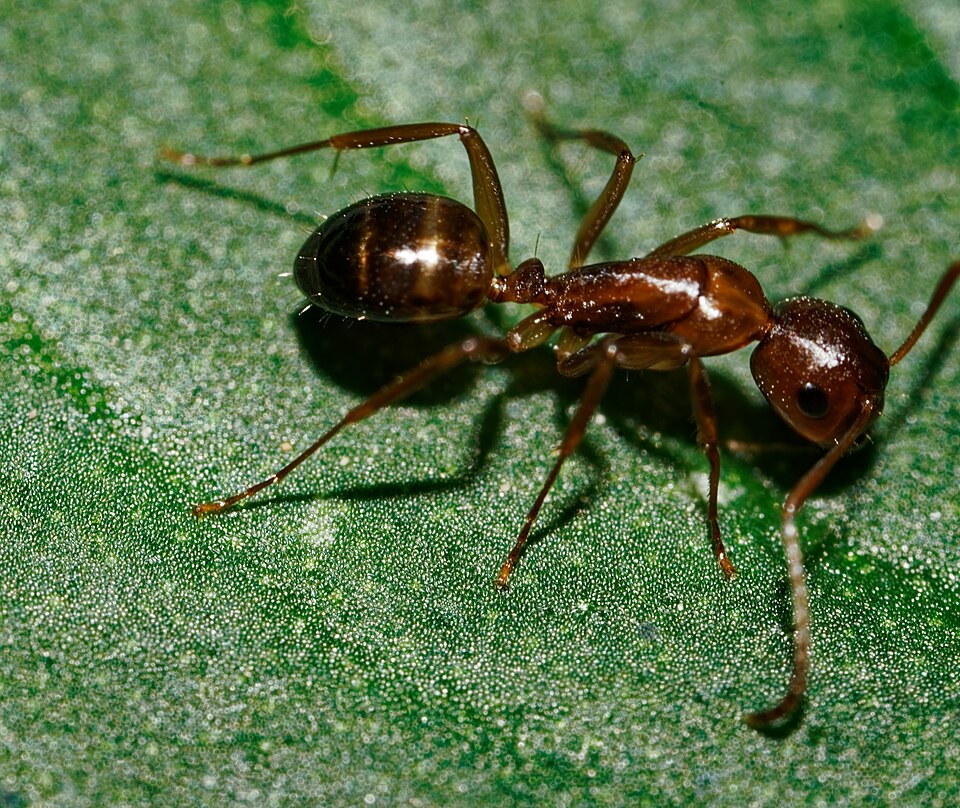
2 mm – 5 cm depending on species
Segmented body with a narrow waist; black, brown, red, or yellow. Elbowed antennae; small to prominent eyes.
Sweet residues, grease, protein crumbs, and sugary liquids. Workers retrieve food and share with the colony.
Highly organized — workers forage along chemical trails. Discarded wings near windows often indicate a nearby colony swarming.
Nest in soil, wall voids, behind appliances, under floors, and in cracks. Drawn to undisturbed areas near food and water.
Mechanically transfer bacteria to food. Carpenter ants damage wood structures; fire ants deliver painful stings.
Every ants engagement follows our proven three-step methodology — tailored precisely to this pest.
Identify species, trail entry points, and nest location.
Apply species-specific baits that workers carry back to the colony. Treat nest sites and seal entry points.
Verify trail elimination over 2–3 weeks; spraying alone is rarely enough.
The most common things people ask us about ants — straight from years of fieldwork.
Identify and learn about pests that share habits, habitats, or treatment approaches.
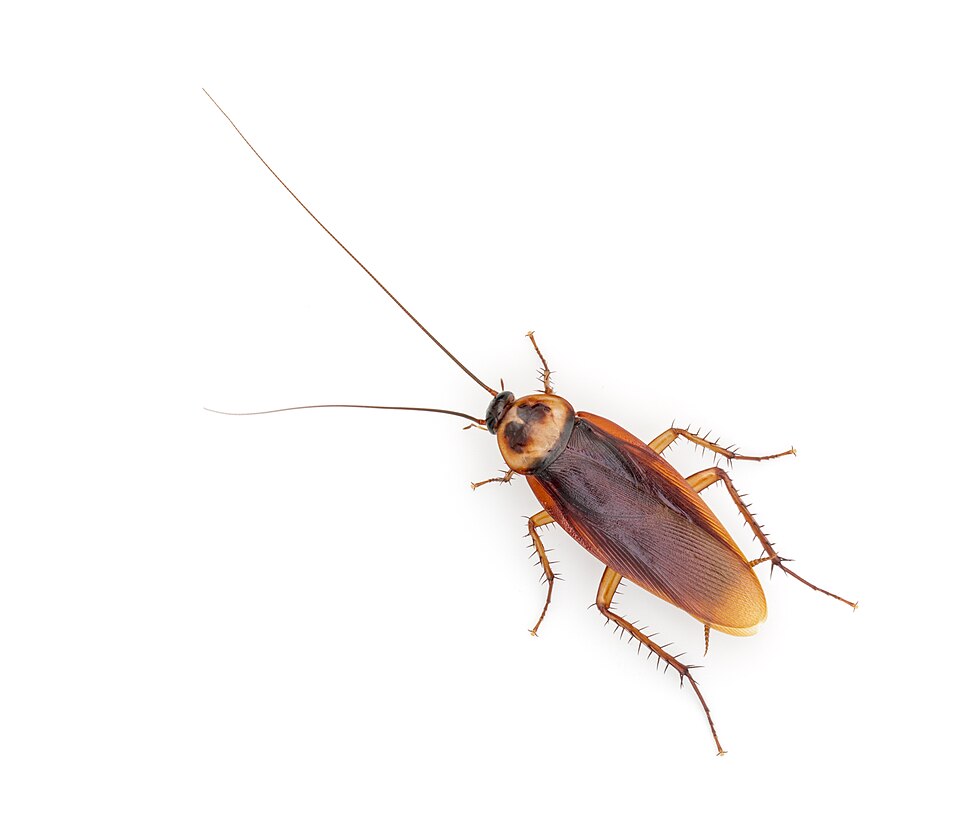 Crawling
The large reddish-brown 'palmetto bug'
Large fast-running roaches that can fly short distances and thrive in damp, dark spaces near plumbing — a major contamination risk.
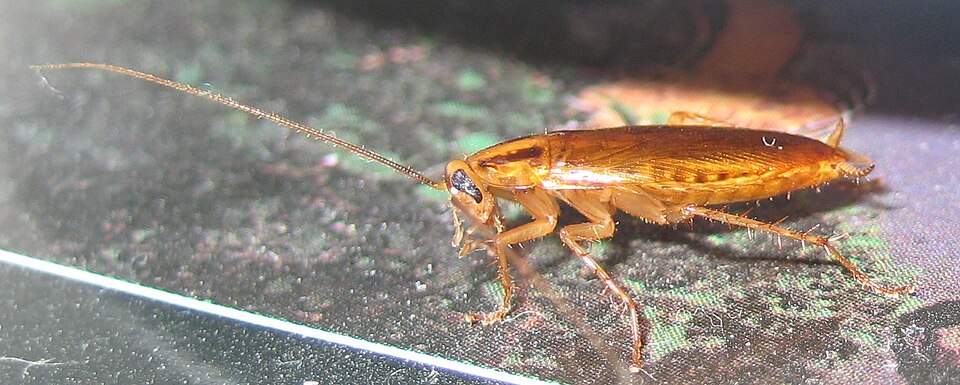 Crawling
The small kitchen-dwelling fast breeder
The most common indoor cockroach worldwide — small, light brown, and the fastest-breeding species, requiring professional control.
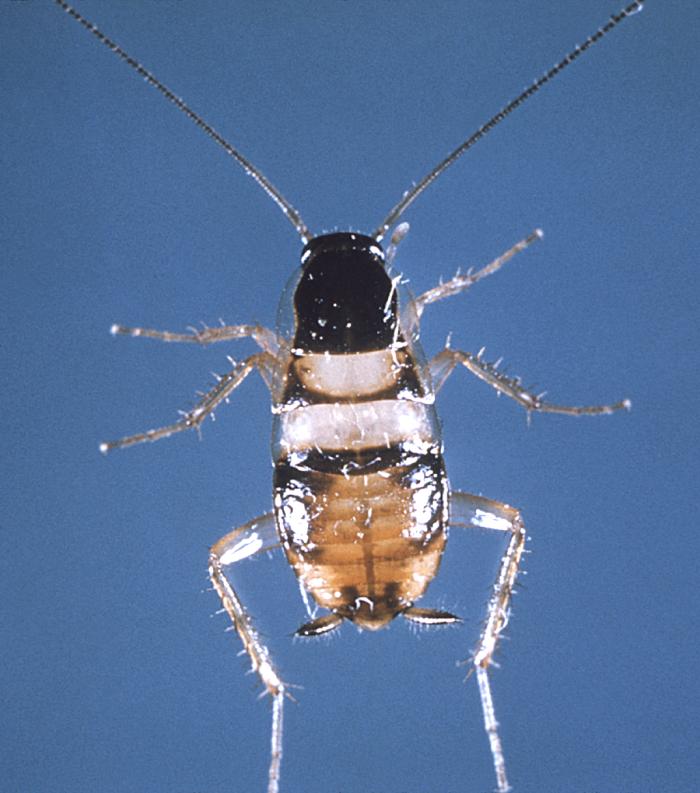 Crawling
The dry-loving roach found high and hidden
A small banded roach that prefers dry, warm, elevated locations — often found in bedrooms, electronics, and high cabinets, unlike kitchen roaches.
Choose Urban Pest Solution for comprehensive, technology-driven pest control. Our A.I.R approach makes us the ideal partner for a pest-free environment.