
Loading…
Blattella germanica
The most common indoor cockroach worldwide — small, light brown, and the fastest-breeding species, requiring professional control.
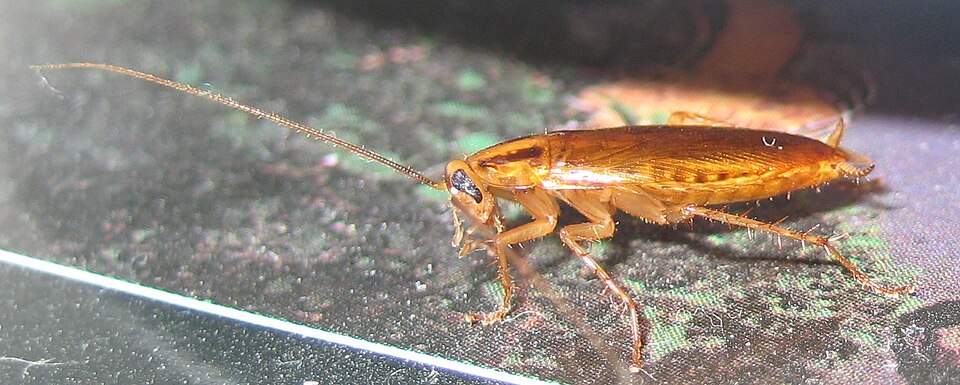
1.2–1.5 cm (≈ 0.5 in)
Light brown to tan with two dark parallel stripes on the thorax. Small, oval, flat body with long threadlike antennae.
Opportunistic — sugary spills, grease, leftover food, and even glue or toothpaste. Survives on minimal resources.
Hides in tight cracks behind appliances and inside cabinets. Reproduces faster than any other roach species — a single egg case can hold 30+ eggs.
Warm humid spaces near food and water — kitchens, bathrooms, behind refrigerators, dishwashers, and inside cabinetry.
Spread Salmonella, E. coli, and trigger asthma and allergies. The fastest breeders among indoor roaches.
Every german roach engagement follows our proven three-step methodology — tailored precisely to this pest.
Locate harborages behind appliances, in cabinet hinges, and around plumbing.
Apply professional gel baits, IGRs (insect growth regulators), and dust formulations. Avoid sprays that scatter the colony.
Re-treat at the egg-hatch interval (4–6 weeks) and audit sanitation.
The most common things people ask us about german roach — straight from years of fieldwork.
Identify and learn about pests that share habits, habitats, or treatment approaches.
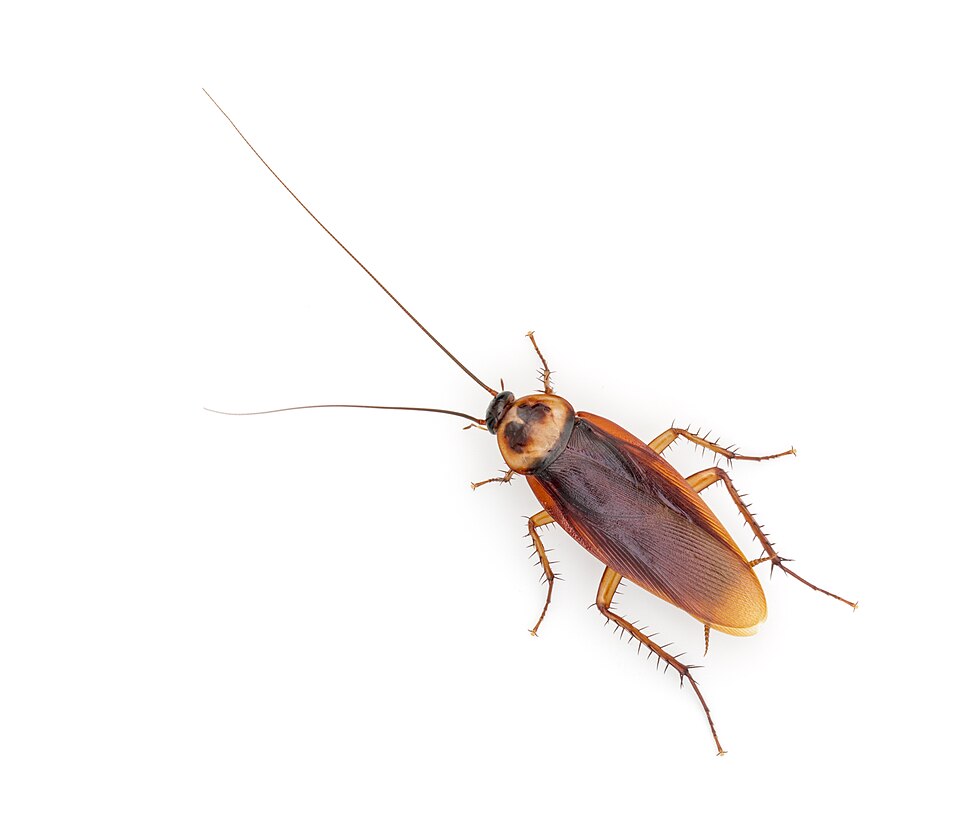 Crawling
The large reddish-brown 'palmetto bug'
Large fast-running roaches that can fly short distances and thrive in damp, dark spaces near plumbing — a major contamination risk.
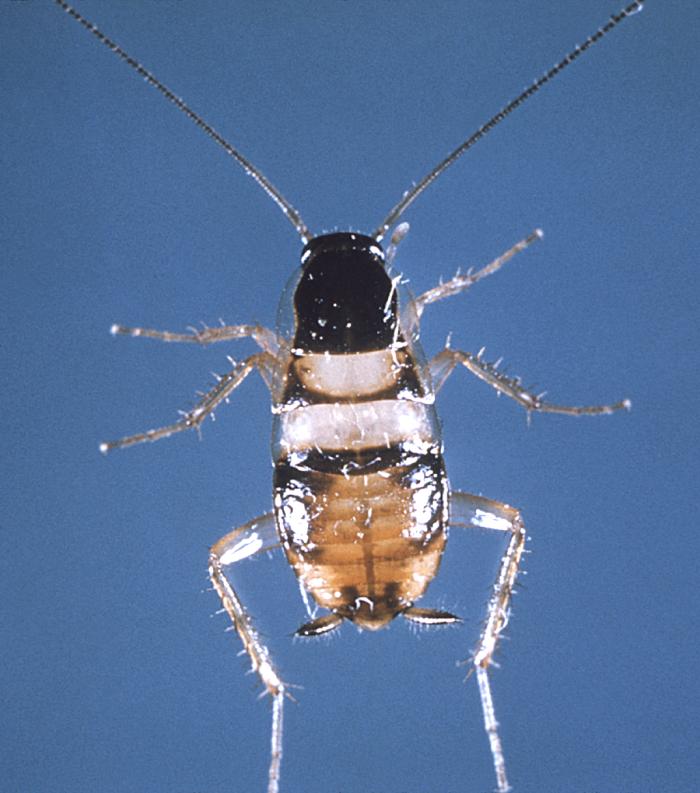 Crawling
The dry-loving roach found high and hidden
A small banded roach that prefers dry, warm, elevated locations — often found in bedrooms, electronics, and high cabinets, unlike kitchen roaches.
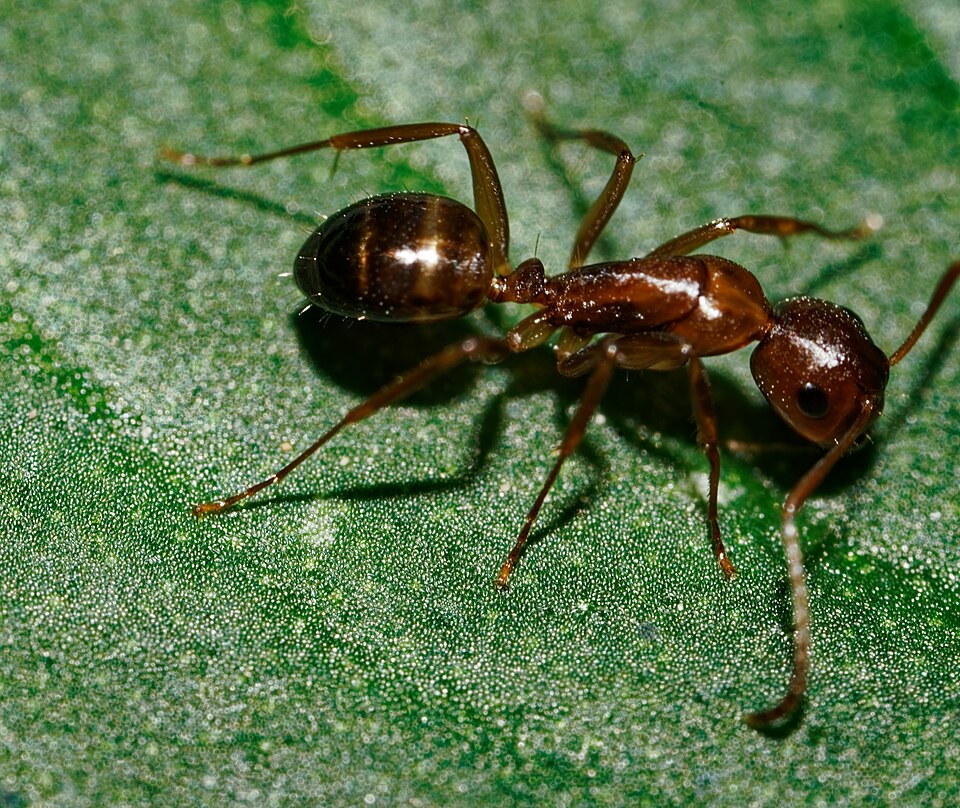 Crawling
Trail-following invaders of the home
Highly social colony insects that follow chemical trails into homes for food and water — control requires targeting the entire colony, not workers.
Choose Urban Pest Solution for comprehensive, technology-driven pest control. Our A.I.R approach makes us the ideal partner for a pest-free environment.