
Loading…
Phoridae
A small humpbacked fly that runs more than it flies, breeding in decay and posing a contamination risk in food and healthcare settings.
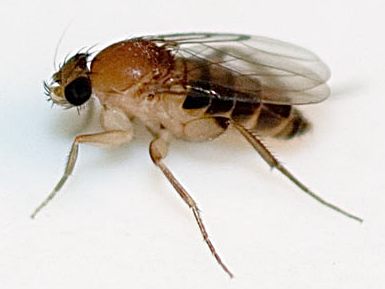
0.5–5 mm
Yellowish, brown, or black with a distinctive humpbacked thorax and small dark side eyes.
Transparent with visible veins.
Decomposing organic material — rotting food, drain residue, and damp waste in cracks and voids.
Erratic, scurrying movement that resembles running. Egg-to-adult cycle can complete in as little as two weeks.
Damp areas with organic matter — leaky plumbing, neglected drains, garbage rooms, basements, utility areas, and crevices.
Can transfer bacteria and pathogens from decaying matter to surfaces — a particular concern in kitchens, hospitals, and waste facilities.
Every phorid fly engagement follows our proven three-step methodology — tailored precisely to this pest.
Inspect drains, garbage holding, and decaying matter for breeding sites.
Apply drain cleaners, targeted insecticides, and a deep-clean of organic buildup.
Monitor regularly and tune treatments for high-risk areas.
The most common things people ask us about phorid fly — straight from years of fieldwork.
Identify and learn about pests that share habits, habitats, or treatment approaches.
 Flying
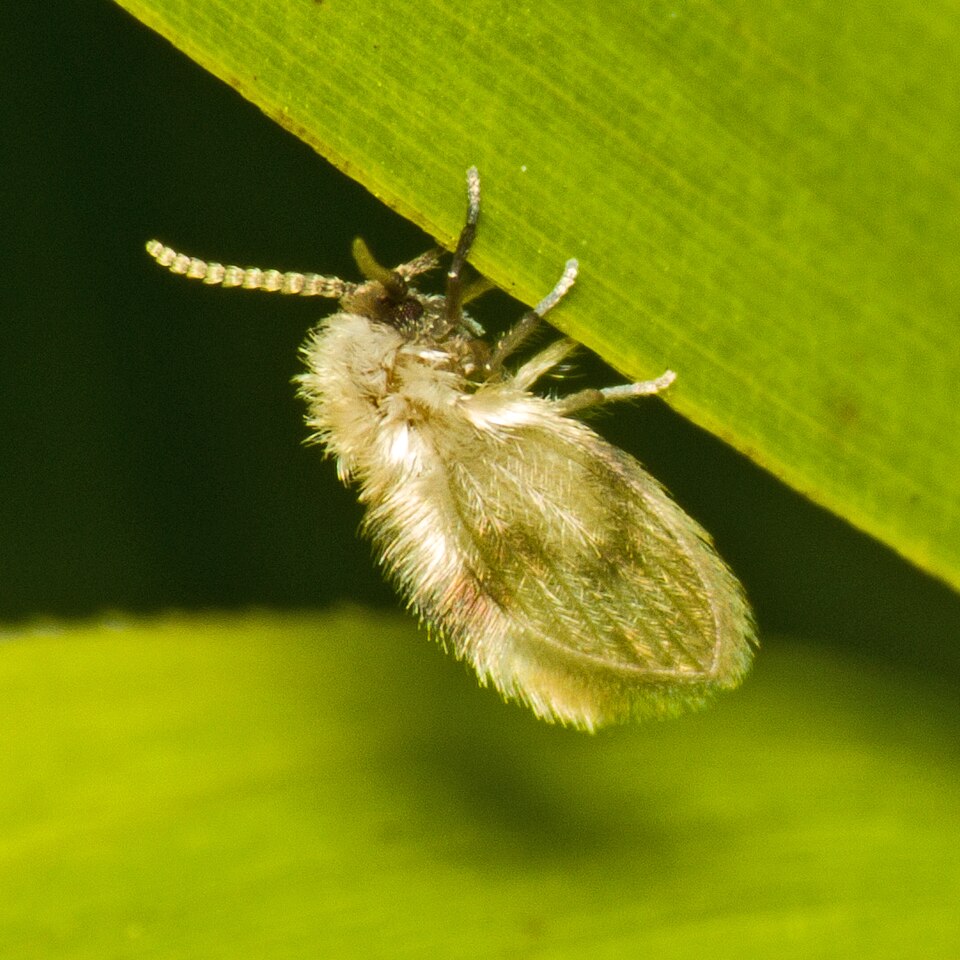
Tiny moth-like fliers in damp drains
Small fuzzy flies that breed in clogged drains, sink traps, and stagnant water — a clear signal of hidden sanitation issues.
 Flying
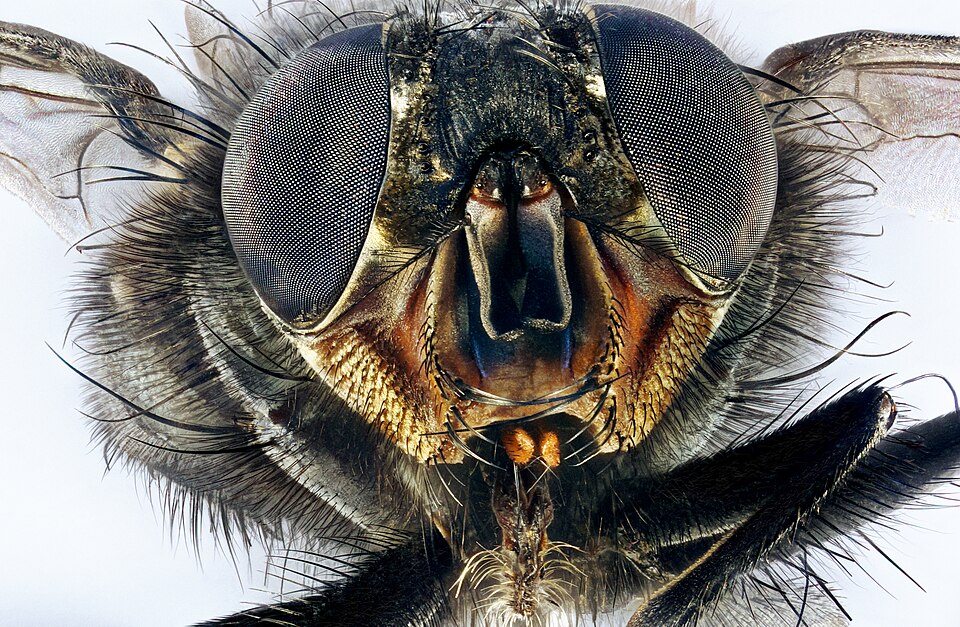
The classic disease-spreading household pest
A common gray fly with sponging mouthparts that lands on food, waste, and surfaces — a major mechanical vector of bacterial disease.
 Flying
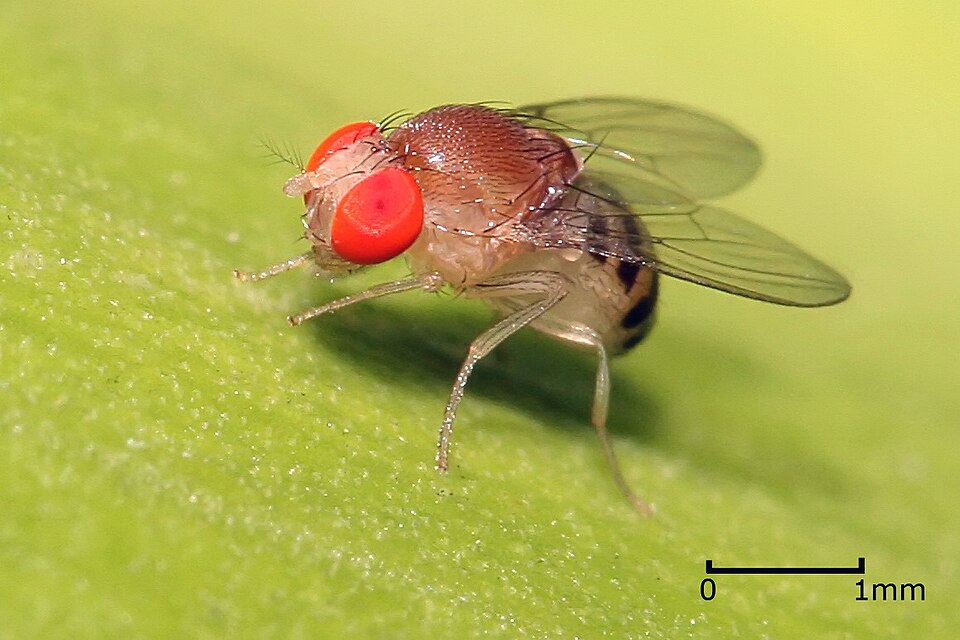
Tiny hovering flies on overripe produce
Small tan flies with red eyes that breed in fermenting fruit, drains, and sugary residues — capable of explosive population growth.
Choose Urban Pest Solution for comprehensive, technology-driven pest control. Our A.I.R approach makes us the ideal partner for a pest-free environment.