
Loading…
Psychodidae
Small fuzzy flies that breed in clogged drains, sink traps, and stagnant water — a clear signal of hidden sanitation issues.
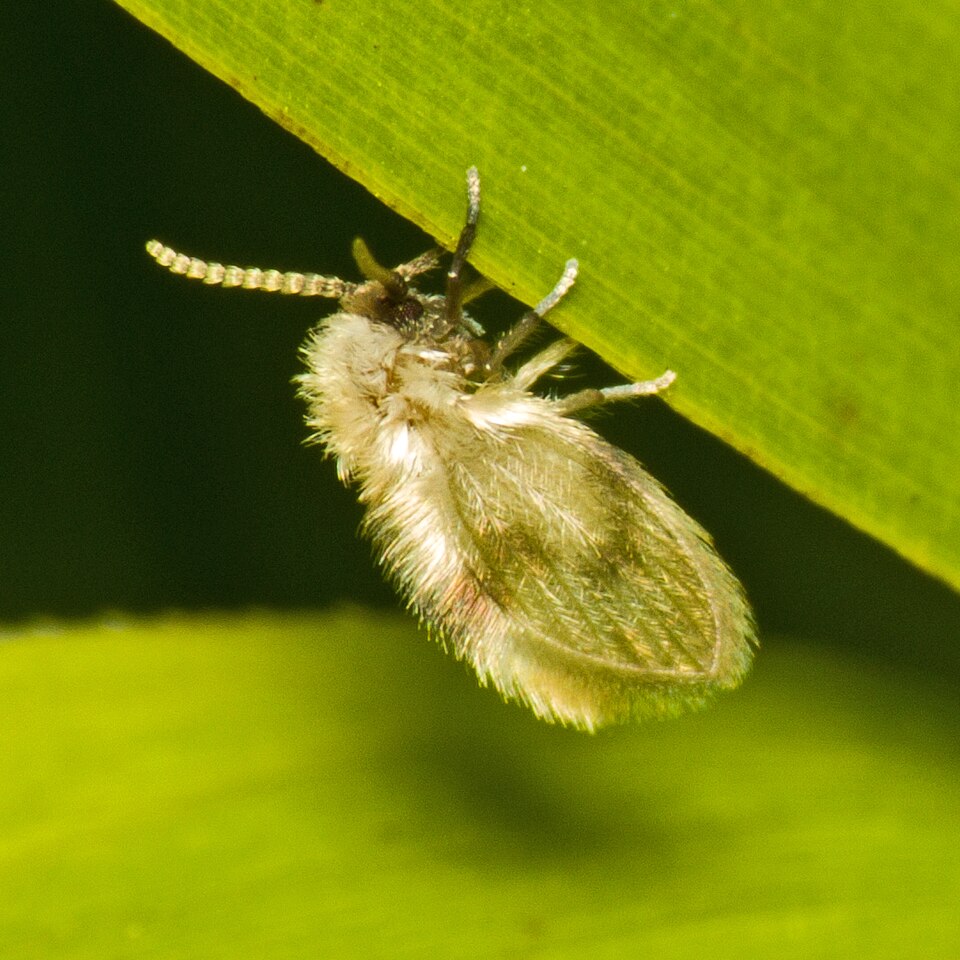
1.5–5 mm
Grayish to dark brown, fuzzy and moth-like with a unique leaf-pattern on the wings.
Broad, oval, covered in fine hairs; folded over the body at rest.
Feeds on organic debris and microbial films inside drains, traps, and damp organic buildup.
Weak fliers that hover near drains. Mostly active at night and stay close to their breeding source. They do not bite or sting.
Clogged drains, septic tanks, sewer lines, sink traps, shower drains, and any spot with stagnant water — kitchens, bathrooms, basements.
While they don't bite, drain flies can transfer bacteria from unsanitary breeding sites onto food and surfaces.
Every drain fly engagement follows our proven three-step methodology — tailored precisely to this pest.
Locate every breeding site — drains, traps, septic lines — and gauge infestation severity.
Apply enzyme-based drain cleaners, mechanically remove organic buildup, and treat plumbing voids.
Re-inspect drains weekly and maintain a sanitation schedule to prevent recurrence.
The most common things people ask us about drain fly — straight from years of fieldwork.
Identify and learn about pests that share habits, habitats, or treatment approaches.
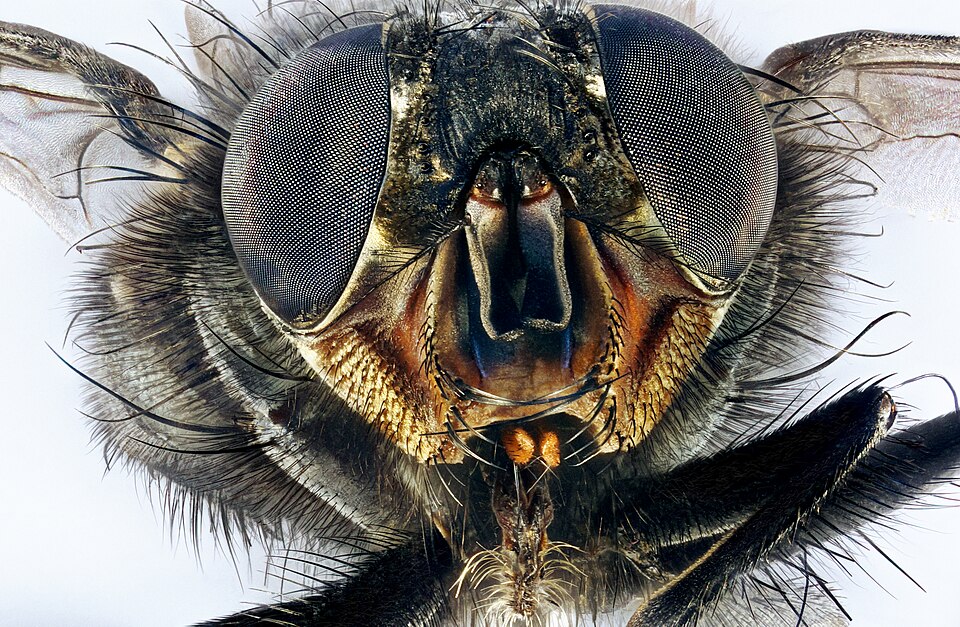 Flying
The classic disease-spreading household pest
A common gray fly with sponging mouthparts that lands on food, waste, and surfaces — a major mechanical vector of bacterial disease.
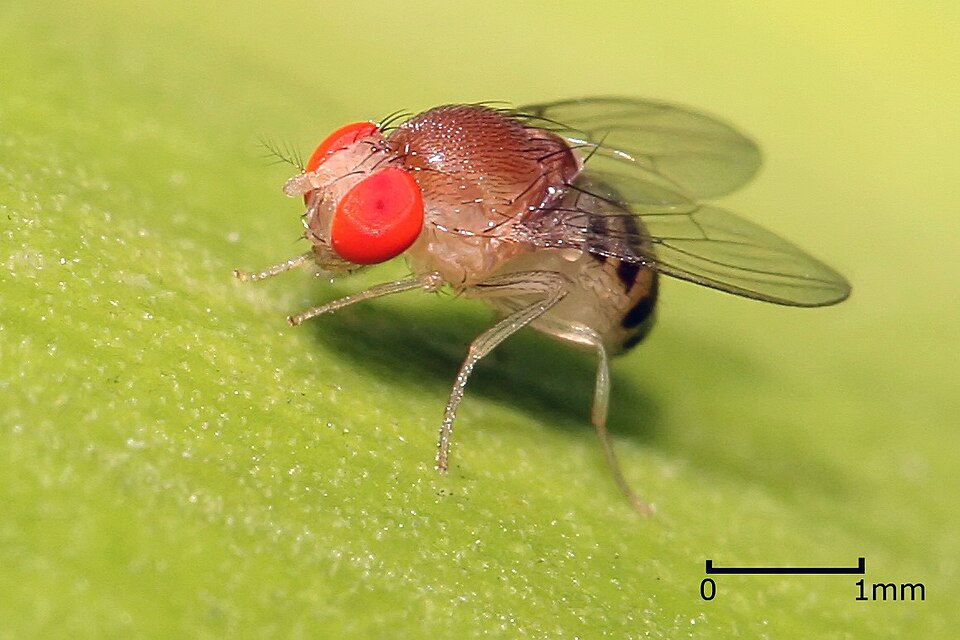 Flying
Tiny hovering flies on overripe produce
Small tan flies with red eyes that breed in fermenting fruit, drains, and sugary residues — capable of explosive population growth.
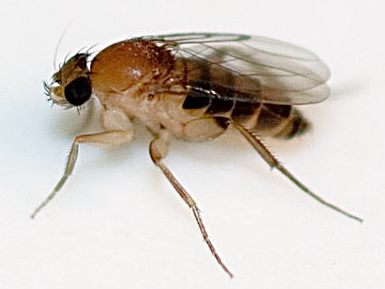 Flying
The humpbacked drain dweller
A small humpbacked fly that runs more than it flies, breeding in decay and posing a contamination risk in food and healthcare settings.
Choose Urban Pest Solution for comprehensive, technology-driven pest control. Our A.I.R approach makes us the ideal partner for a pest-free environment.