
Loading…
Drosophila spp.
Small tan flies with red eyes that breed in fermenting fruit, drains, and sugary residues — capable of explosive population growth.
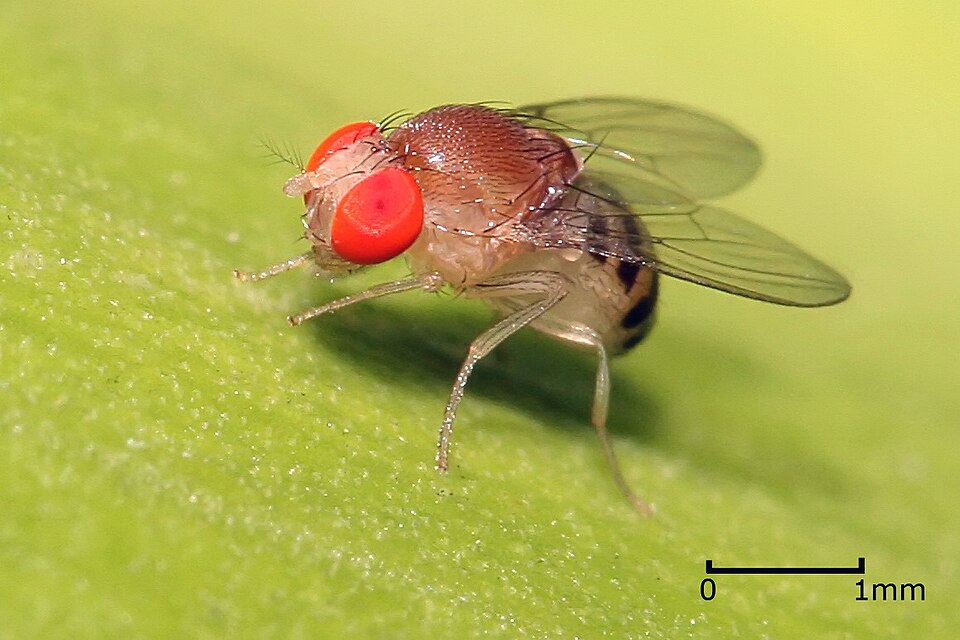
3–4 mm (≈ 1/8 inch)
Tan to light brown body with a darker abdomen and bright red eyes.
Transparent, longer than the body.
Overripe fruits, vegetables, sugary spills, and fermenting liquids like beer and wine.
Erratic hovering near food sources. Eggs reach adulthood in 8–10 days; one female can lay up to 500 eggs in a 2-week lifespan.
Kitchens, grocery stores, food prep zones, compost piles, recycling bins, and drains with organic buildup.
Can transfer bacteria from fermenting matter to fresh food, creating a food-safety hazard in kitchens and food businesses.
Every fruit fly engagement follows our proven three-step methodology — tailored precisely to this pest.
Trace breeding sites — fruit, drains, bins, mop heads — and grade the infestation.
Set apple-cider vinegar traps, apply professional drain treatments, and remove all fermenting matter.
Verify drain sanitation weekly during warm months.
The most common things people ask us about fruit fly — straight from years of fieldwork.
Identify and learn about pests that share habits, habitats, or treatment approaches.
 Flying
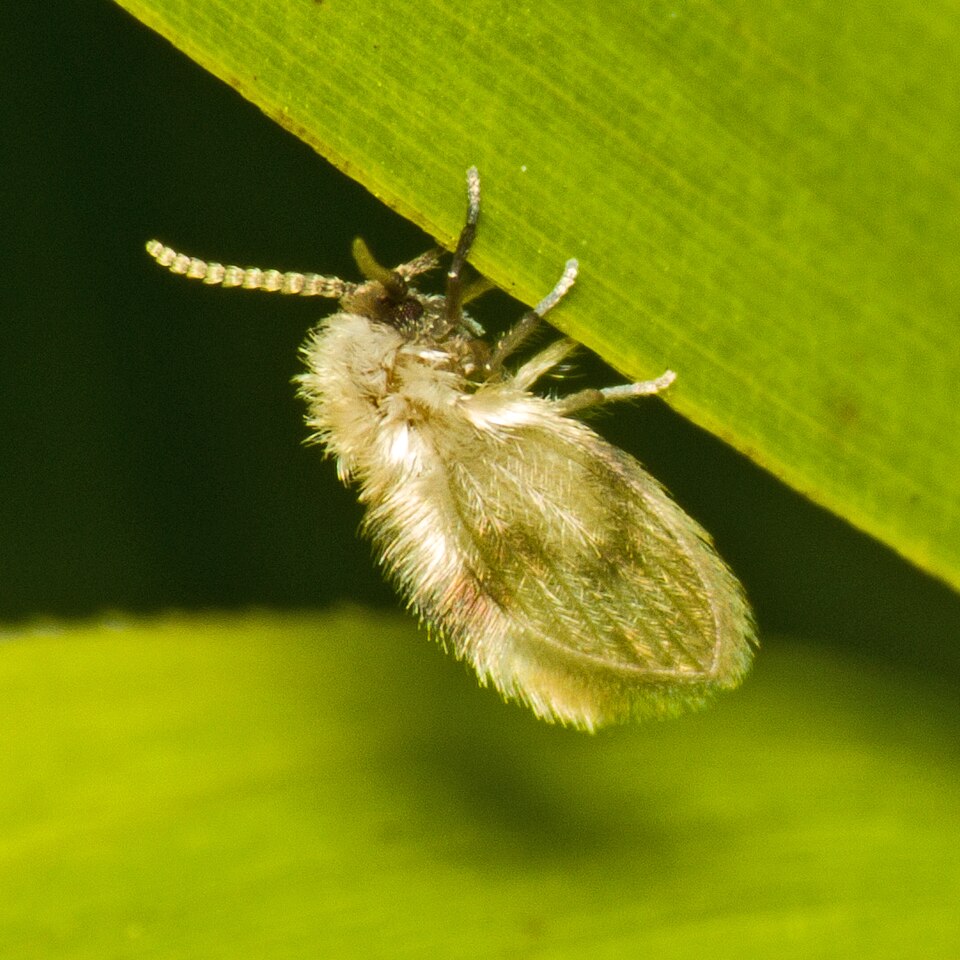
Tiny moth-like fliers in damp drains
Small fuzzy flies that breed in clogged drains, sink traps, and stagnant water — a clear signal of hidden sanitation issues.
 Flying
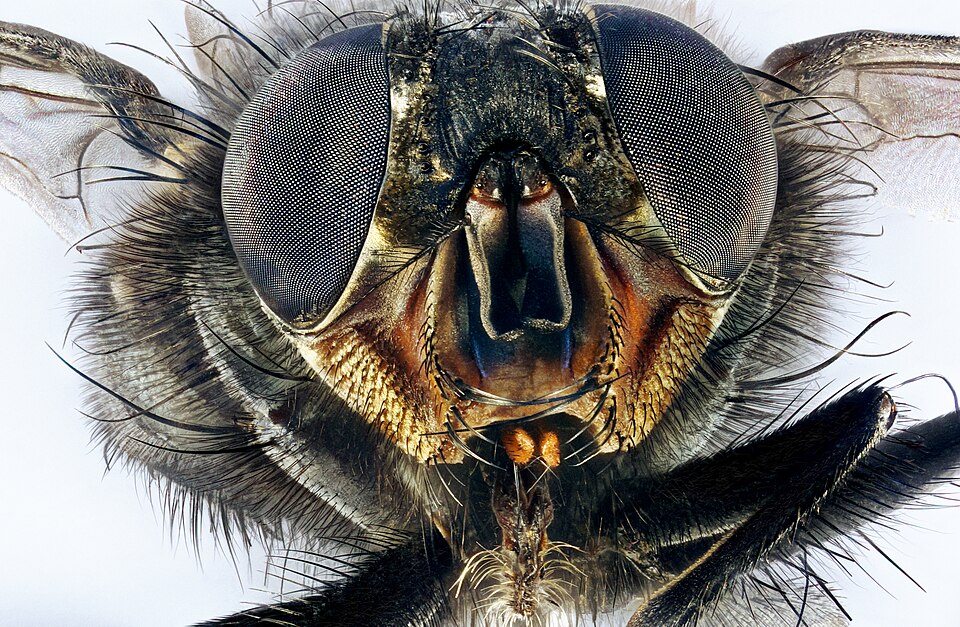
The classic disease-spreading household pest
A common gray fly with sponging mouthparts that lands on food, waste, and surfaces — a major mechanical vector of bacterial disease.
 Flying
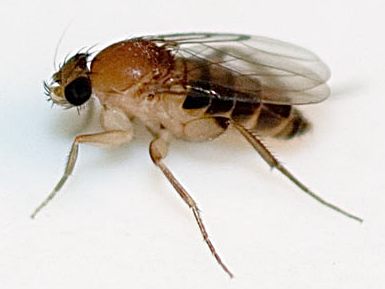
The humpbacked drain dweller
A small humpbacked fly that runs more than it flies, breeding in decay and posing a contamination risk in food and healthcare settings.
Choose Urban Pest Solution for comprehensive, technology-driven pest control. Our A.I.R approach makes us the ideal partner for a pest-free environment.