
Loading…
Musca domestica
A common gray fly with sponging mouthparts that lands on food, waste, and surfaces — a major mechanical vector of bacterial disease.
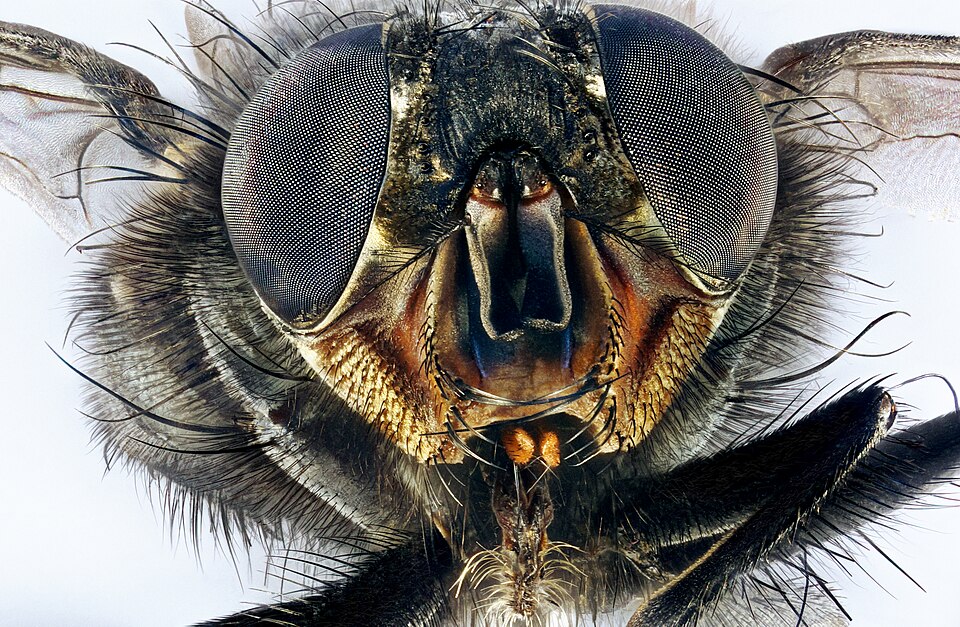
6–7 mm
Gray to blackish body with four dark longitudinal stripes on the thorax, large reddish-brown compound eyes, and short antennae.
Two transparent wings with prominent veins, slightly overlapping at rest.
Liquefies solid food using saliva and feeds on rotting organic matter, sugary residues, dairy, and garbage. Cannot bite or chew.
Active during the day, attracted to warmth and odor. Females can lay up to 1,000 eggs in a lifetime, enabling rapid population growth.
Areas rich in organic waste — urban kitchens, farms, landfills, food processing sites, and any warm moist environment.
Mechanically carry pathogens including Salmonella, E. coli, and cholera, contaminating food and prep surfaces.
Every house fly engagement follows our proven three-step methodology — tailored precisely to this pest.
Inspect for breeding sites — garbage, food waste, animal waste — and identify entry points.
Deploy fly traps and targeted insecticides, and overhaul sanitation around bins and prep areas.
Monitor populations and adjust treatments through warm seasons.
The most common things people ask us about house fly — straight from years of fieldwork.
Identify and learn about pests that share habits, habitats, or treatment approaches.
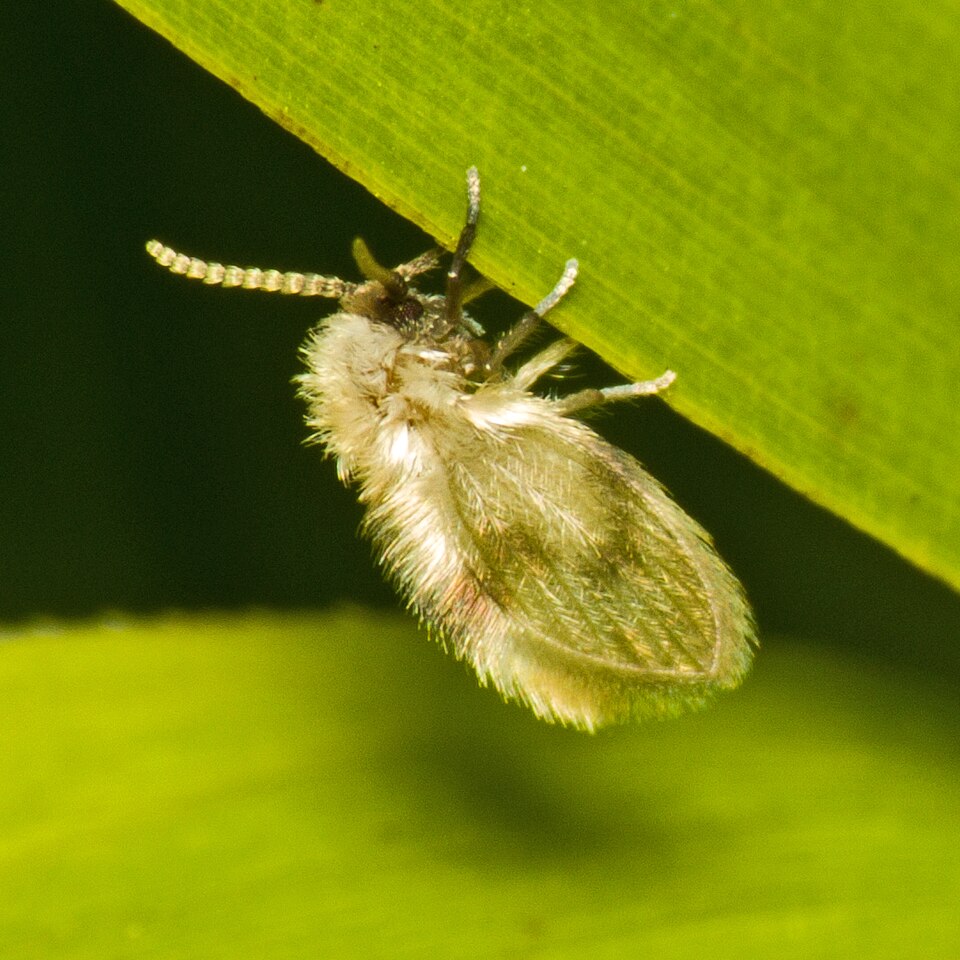 Flying
Tiny moth-like fliers in damp drains
Small fuzzy flies that breed in clogged drains, sink traps, and stagnant water — a clear signal of hidden sanitation issues.
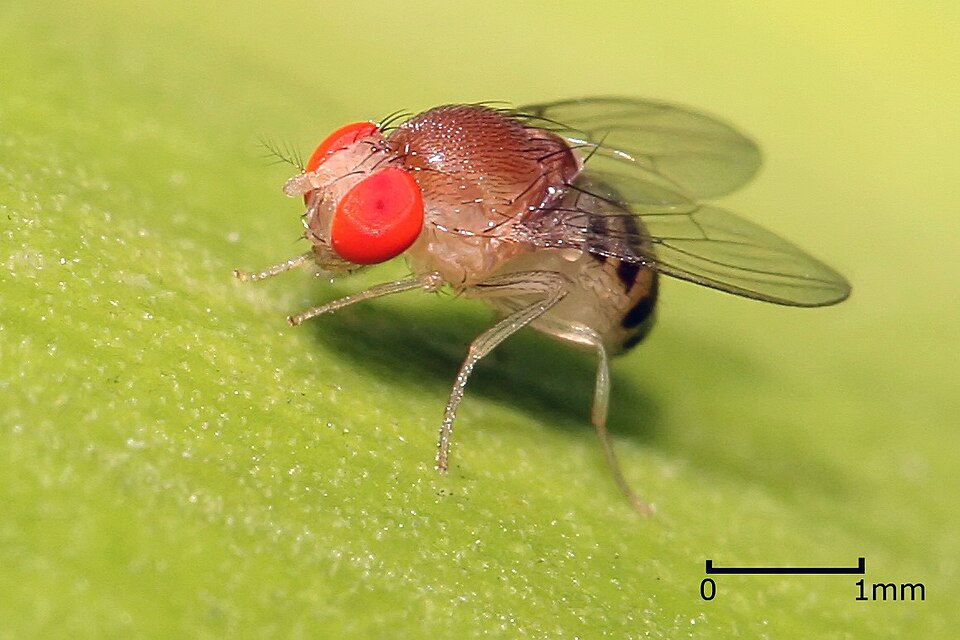 Flying
Tiny hovering flies on overripe produce
Small tan flies with red eyes that breed in fermenting fruit, drains, and sugary residues — capable of explosive population growth.
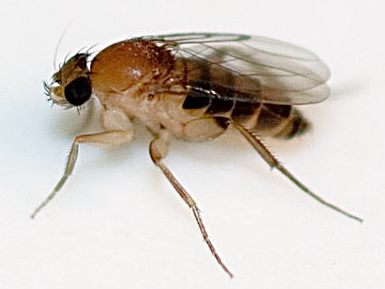 Flying
The humpbacked drain dweller
A small humpbacked fly that runs more than it flies, breeding in decay and posing a contamination risk in food and healthcare settings.
Choose Urban Pest Solution for comprehensive, technology-driven pest control. Our A.I.R approach makes us the ideal partner for a pest-free environment.