
Loading…
Varanus
Large powerful reptiles that climb, swim, and scavenge — generally non-aggressive but capable of strong defensive bites and tail strikes if cornered.
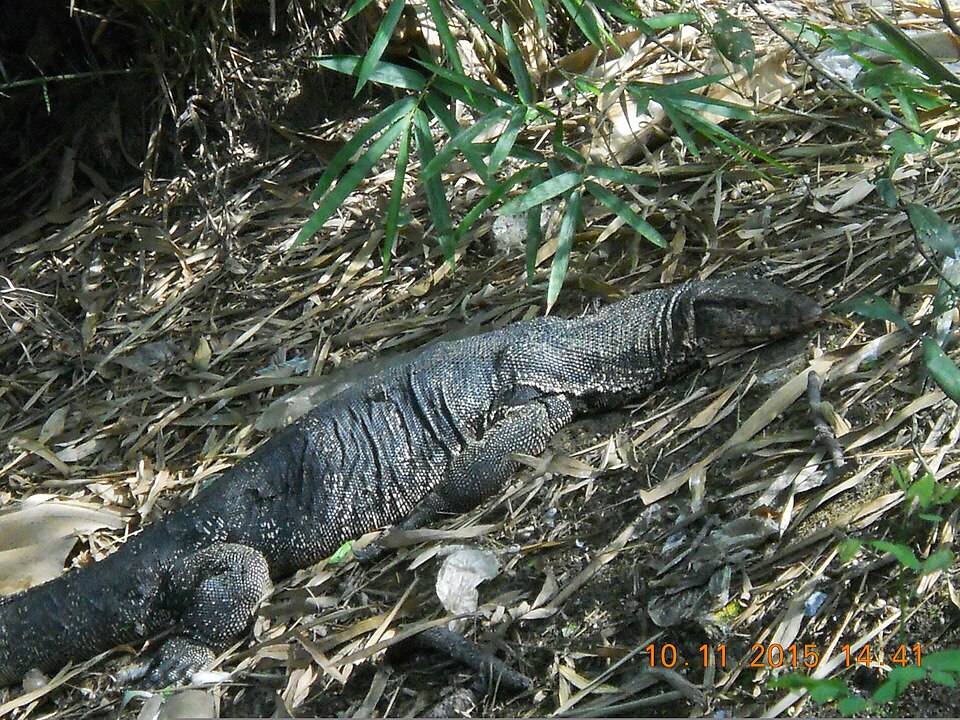
20 cm – 3 m depending on species
Long muscular body, powerful tail, sharp claws, forked tongue, angular head, and earthy brown/grey/green coloration with speckles or stripes.
Opportunistic — food waste, rodents, birds, insects, eggs, and carcasses. Locate prey by scent.
Strong swimmers, climbers, and runners. Keen scent and vision for hunting.
Dense vegetation, abandoned buildings, debris piles, drains, culverts, rooftops, walls, and crevices near water.
Generally non-aggressive but bites, scratches, and tail strikes can cause significant injury when cornered. Curious pets are at risk.
Every monitor lizard engagement follows our proven three-step methodology — tailored precisely to this pest.
Survey for activity, shelter spots, and food sources on the property.
Deploy humane traps and exclusion; secure food/waste; coordinate with wildlife services for relocation.
Maintain landscape clearing and waste discipline to discourage settlement.
The most common things people ask us about monitor lizard — straight from years of fieldwork.
Identify and learn about pests that share habits, habitats, or treatment approaches.
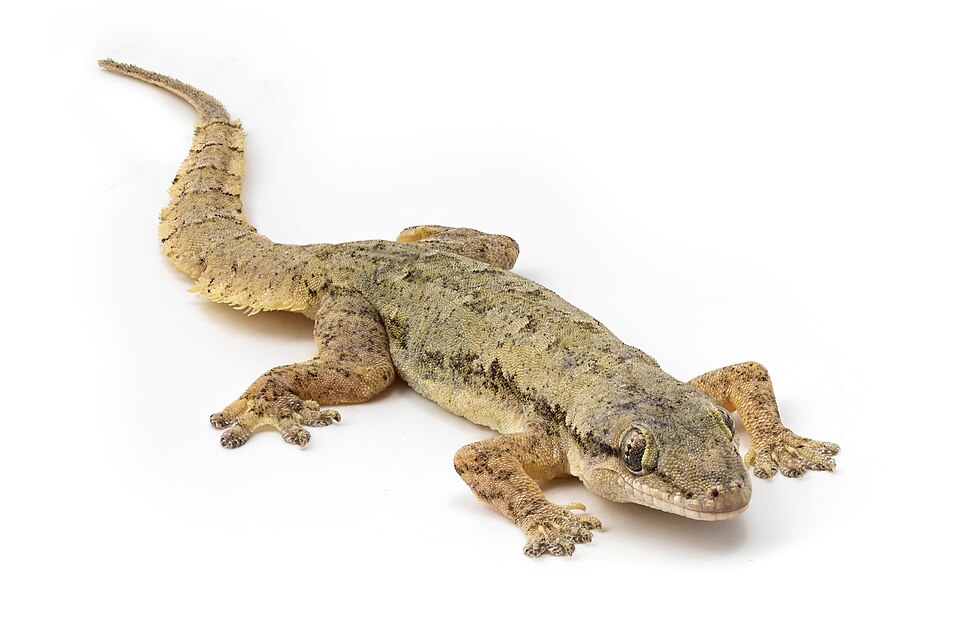 Reptile
Harmless wall-clinging insect predator
Small geckos that cling to walls and ceilings hunting insects — harmless to humans but unwanted indoors due to droppings and visibility.
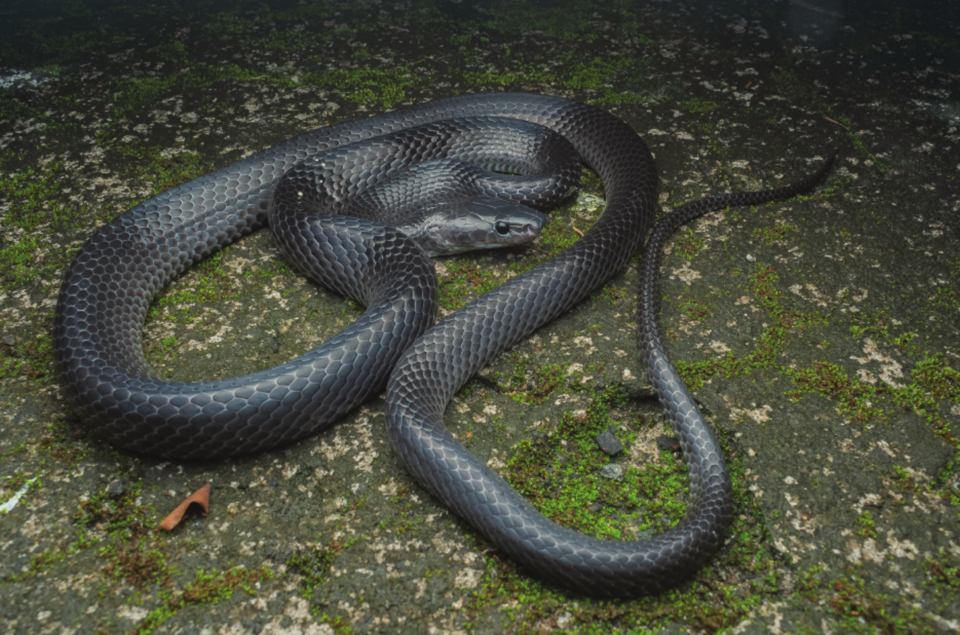 Reptile
Stealth hunters drawn by rodent prey
Limbless reptiles that follow rodent prey into homes and gardens — most are harmless but venomous species require immediate professional handling.
Choose Urban Pest Solution for comprehensive, technology-driven pest control. Our A.I.R approach makes us the ideal partner for a pest-free environment.