
Loading…
Hemidactylus frenatus
Small geckos that cling to walls and ceilings hunting insects — harmless to humans but unwanted indoors due to droppings and visibility.
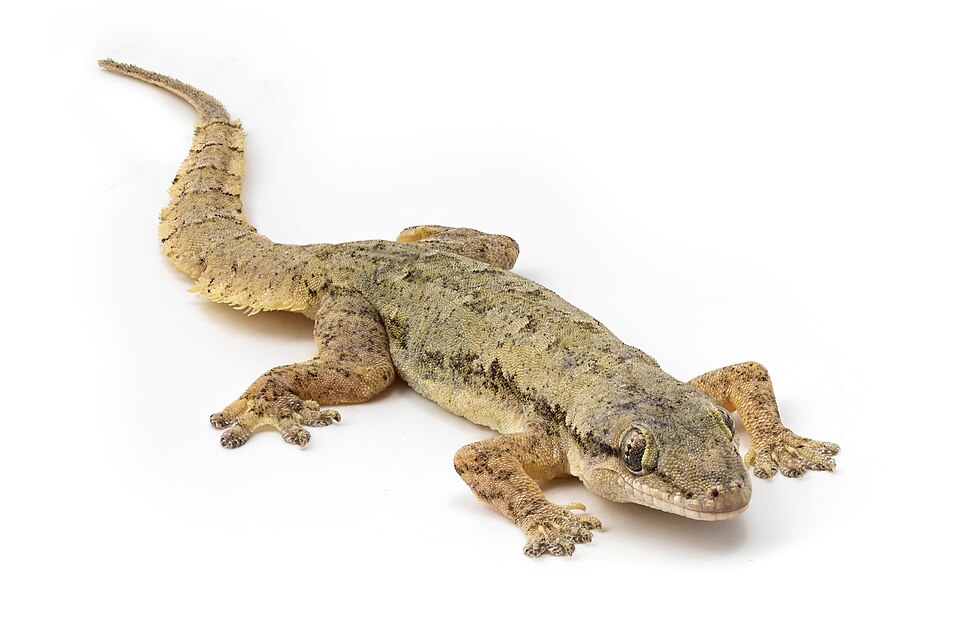
10–15 cm (4–6 in)
Brown or gray with speckled patterns, slim elongated body, flexible tail, four clawed legs for climbing, large round eyes.
Ants, flies, moths, beetles, and other small invertebrates. Hunt mainly at night.
Active mostly after dusk. Can shed and regenerate their tails when threatened. Cling to walls and ceilings via specialized toe pads.
Warm sheltered indoor corners — near walls, ceilings, light fixtures (where insects gather), and storage zones.
Harmless and rarely bite. Droppings can be a hygiene concern in food preparation areas.
Every house lizard engagement follows our proven three-step methodology — tailored precisely to this pest.
Identify entry points and insect attractants around windows, doors, and lights.
Apply repellents, install screens, seal cracks, and reduce indoor insect populations (their food source).
Maintain exterior light management and insect control to keep populations down.
The most common things people ask us about house lizard — straight from years of fieldwork.
Identify and learn about pests that share habits, habitats, or treatment approaches.
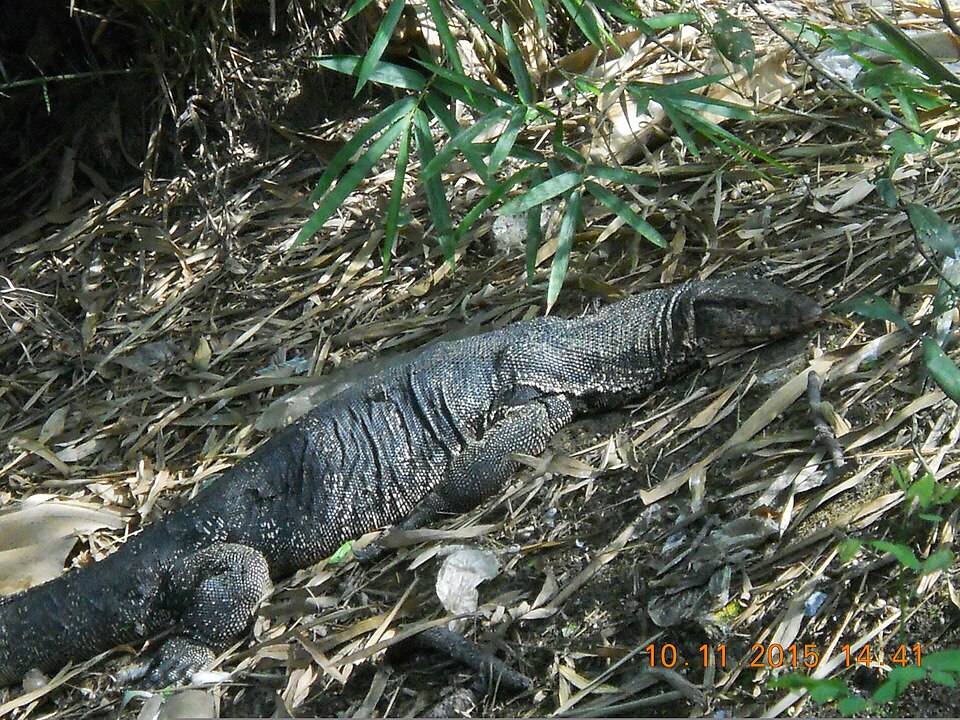 Reptile
Large reptile that scavenges urban edges
Large powerful reptiles that climb, swim, and scavenge — generally non-aggressive but capable of strong defensive bites and tail strikes if cornered.
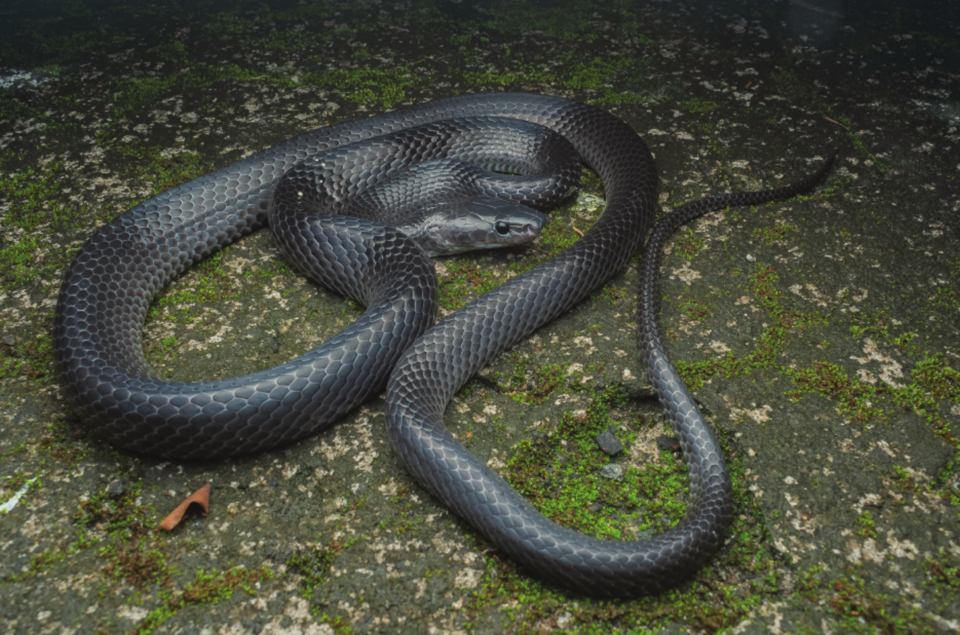 Reptile
Stealth hunters drawn by rodent prey
Limbless reptiles that follow rodent prey into homes and gardens — most are harmless but venomous species require immediate professional handling.
Choose Urban Pest Solution for comprehensive, technology-driven pest control. Our A.I.R approach makes us the ideal partner for a pest-free environment.