
Loading…
Araneae
Predatory arachnids that control insect populations but become unwanted when webs accumulate or venomous species are found indoors.
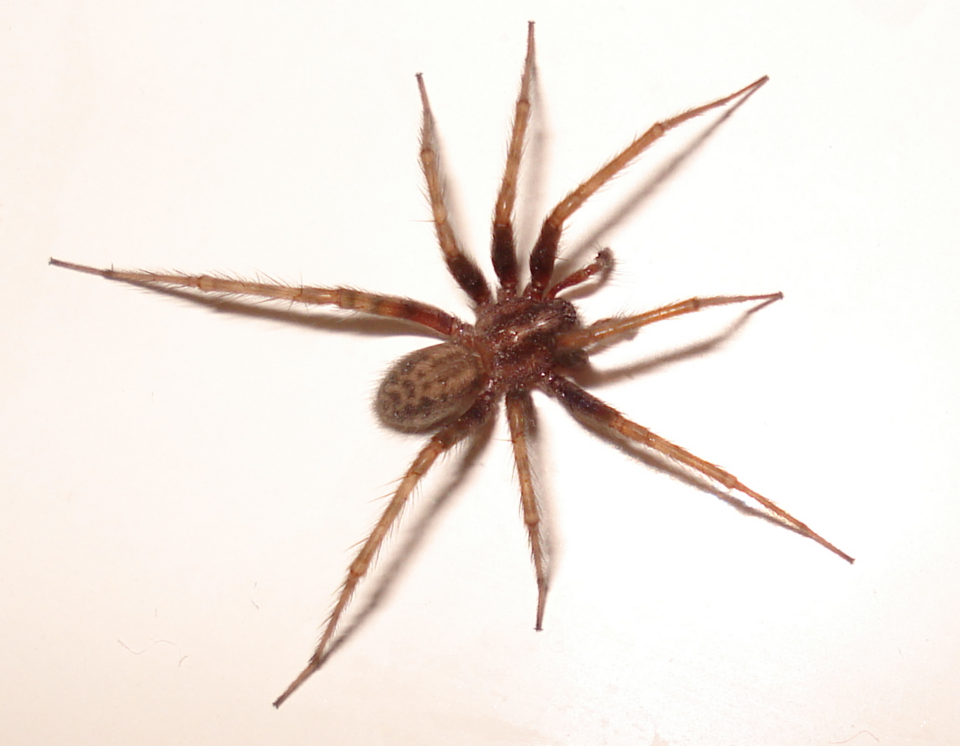
2–30 mm depending on species
Eight jointed legs, segmented body with distinct head and abdomen, multiple eyes (typically 8), and venomous fangs.
Flies, moths, ants, beetles, and other small insects — caught in webs or actively hunted.
Web-builders stay in one location; hunters roam for prey. Most species are reclusive and avoid humans.
Basements, garages, attics, gardens, overgrown vegetation, and sheltered indoor corners with prey access.
Most species are harmless. A few — like the brown recluse and black widow — have medically significant venom and warrant professional removal.
Every spider engagement follows our proven three-step methodology — tailored precisely to this pest.
Survey for webs, egg sacs, and species identification — especially around basements, garages, and gardens.
Apply residual insecticides to harborages, remove webs and sacs, control insect prey populations, and seal entry points.
Maintain reduced clutter and screen vents to prevent re-entry.
The most common things people ask us about spider — straight from years of fieldwork.
Identify and learn about pests that share habits, habitats, or treatment approaches.
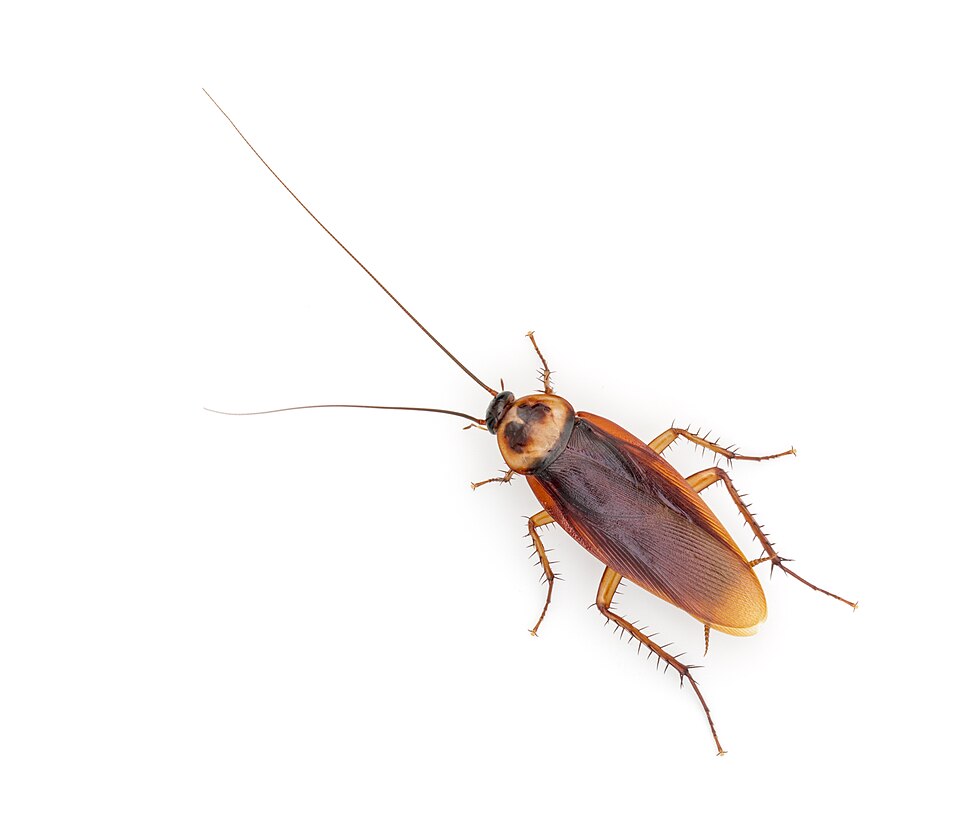 Crawling
The large reddish-brown 'palmetto bug'
Large fast-running roaches that can fly short distances and thrive in damp, dark spaces near plumbing — a major contamination risk.
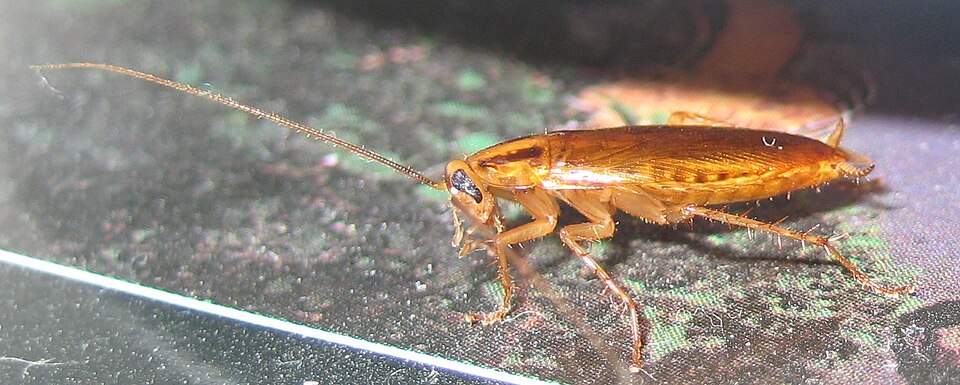 Crawling
The small kitchen-dwelling fast breeder
The most common indoor cockroach worldwide — small, light brown, and the fastest-breeding species, requiring professional control.
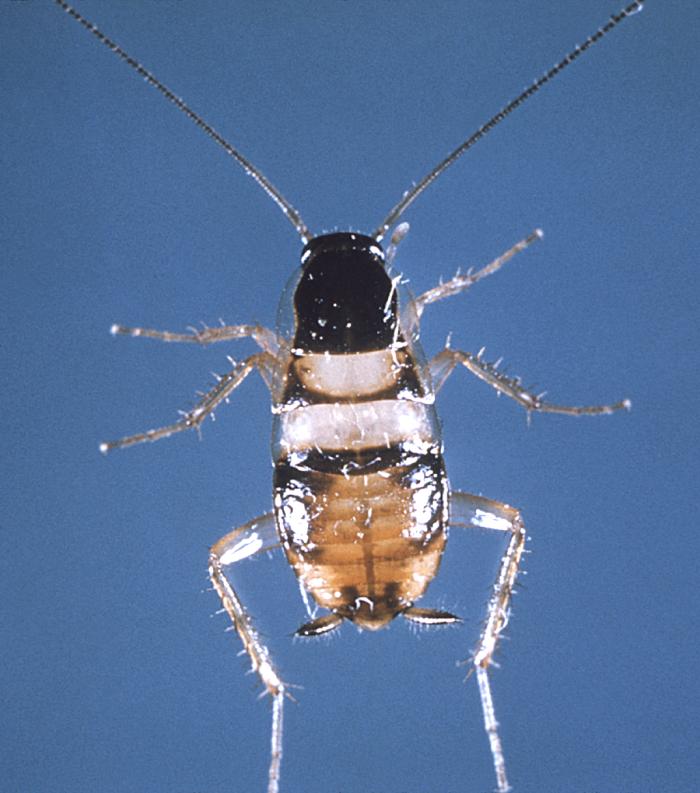 Crawling
The dry-loving roach found high and hidden
A small banded roach that prefers dry, warm, elevated locations — often found in bedrooms, electronics, and high cabinets, unlike kitchen roaches.
Choose Urban Pest Solution for comprehensive, technology-driven pest control. Our A.I.R approach makes us the ideal partner for a pest-free environment.