
Loading…
Polistes
Slender wasps that build open paper nests in eaves and corners — beneficial pollinators, but capable of repeated stings when nests are disturbed.
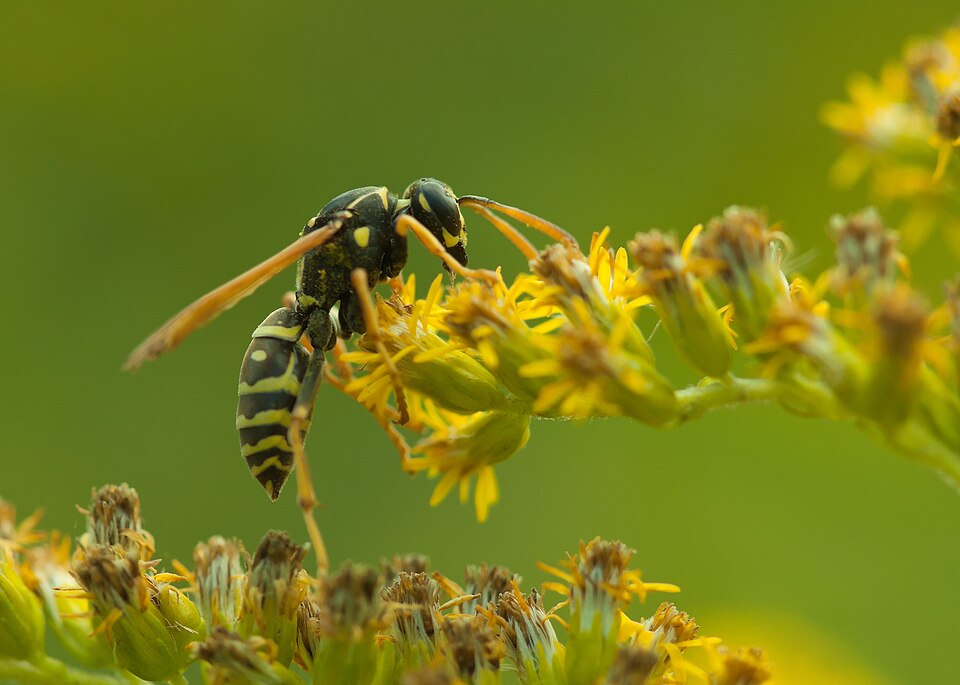
1.5–2.5 cm
Reddish-brown, yellow, or black with distinct markings; slender body with a narrow waist.
Long and translucent, resting flat over the body.
Adults sip nectar; they hunt caterpillars and other insects to feed larvae. Drawn to sugary residues and ripened fruit.
Slow and deliberate flight. Stingers are not barbed, so they can sting multiple times without dying. Most active in late spring and summer.
Open umbrella-shaped nests of chewed wood pulp under eaves, ceilings, window frames, structural gaps, and outdoor furniture.
Stings can cause severe allergic reactions in sensitive individuals. Generally non-aggressive unless the nest is threatened.
Every paper wasp engagement follows our proven three-step methodology — tailored precisely to this pest.
Inspect sheltered exterior corners for nests and grade the threat level.
Apply targeted treatments and perform professional nest removal in protective gear.
Seal entry points, remove attractants, and re-check seasonally.
The most common things people ask us about paper wasp — straight from years of fieldwork.
Identify and learn about pests that share habits, habitats, or treatment approaches.
 Flying
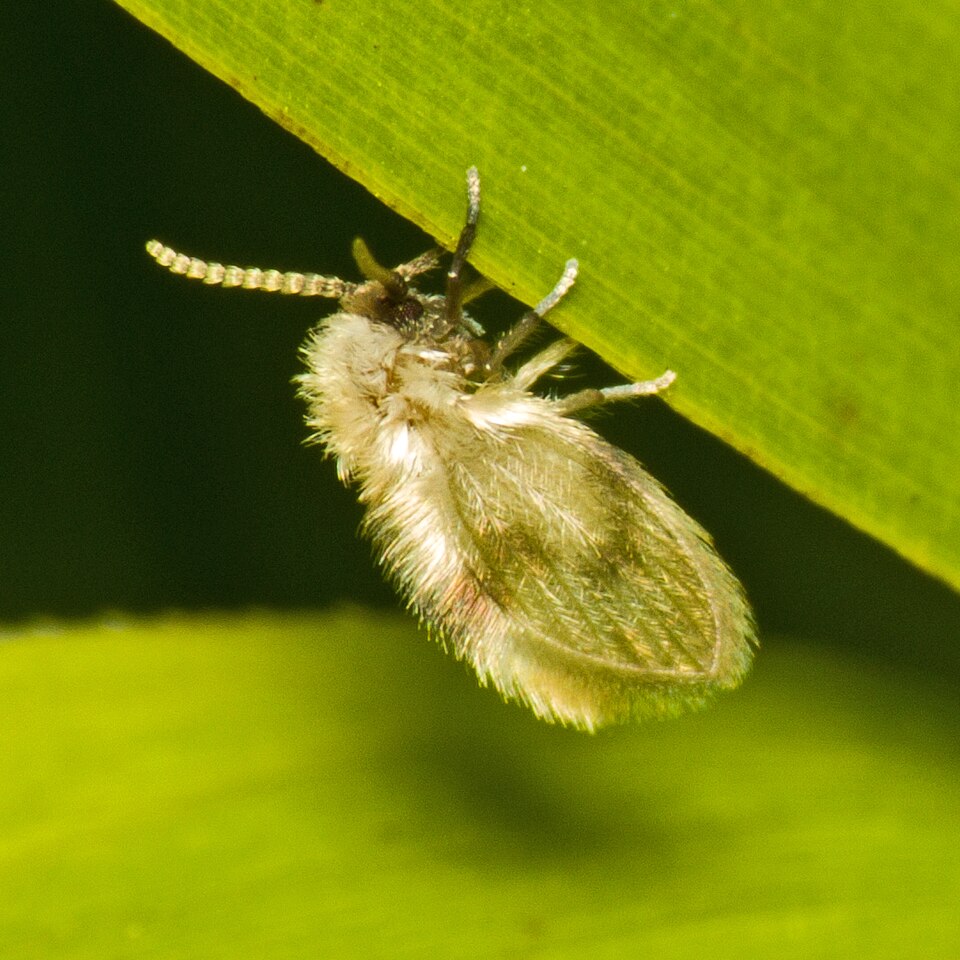
Tiny moth-like fliers in damp drains
Small fuzzy flies that breed in clogged drains, sink traps, and stagnant water — a clear signal of hidden sanitation issues.
 Flying
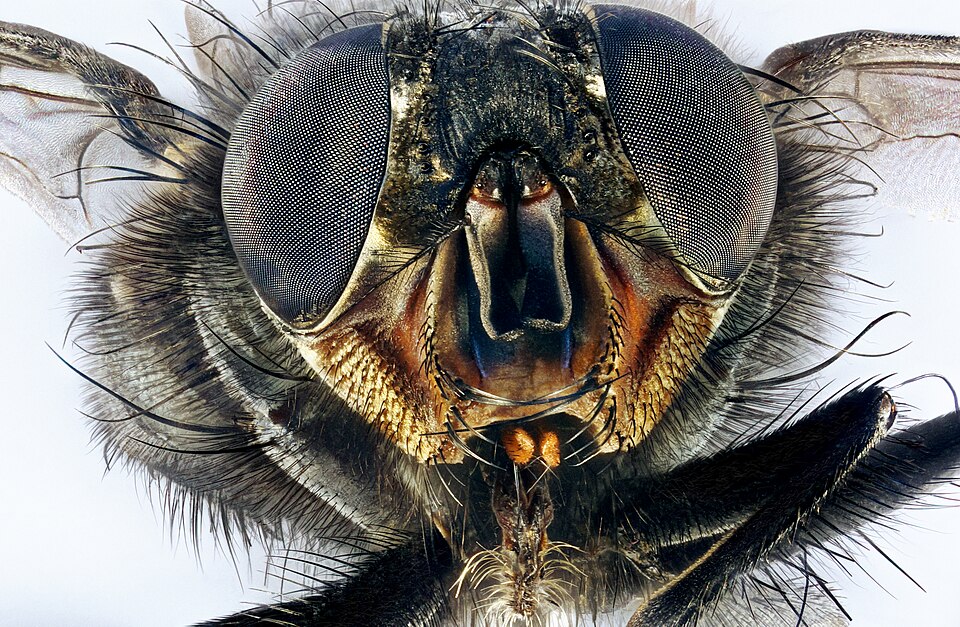
The classic disease-spreading household pest
A common gray fly with sponging mouthparts that lands on food, waste, and surfaces — a major mechanical vector of bacterial disease.
 Flying
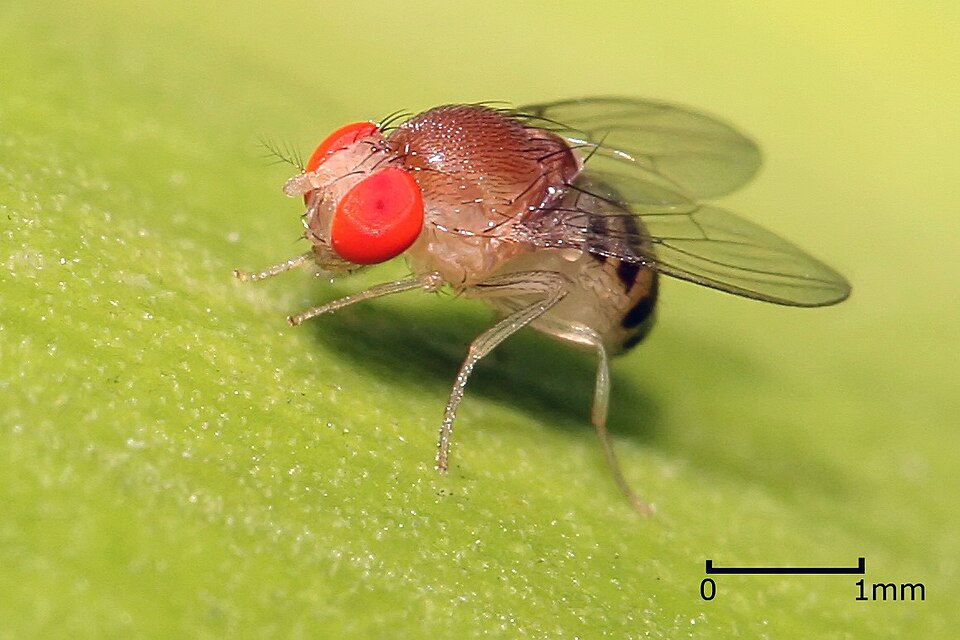
Tiny hovering flies on overripe produce
Small tan flies with red eyes that breed in fermenting fruit, drains, and sugary residues — capable of explosive population growth.
Choose Urban Pest Solution for comprehensive, technology-driven pest control. Our A.I.R approach makes us the ideal partner for a pest-free environment.