
Loading…
Isoptera
Cellulose-eating colony insects that quietly hollow out wood, drywall, and insulation — capable of major structural damage in months.
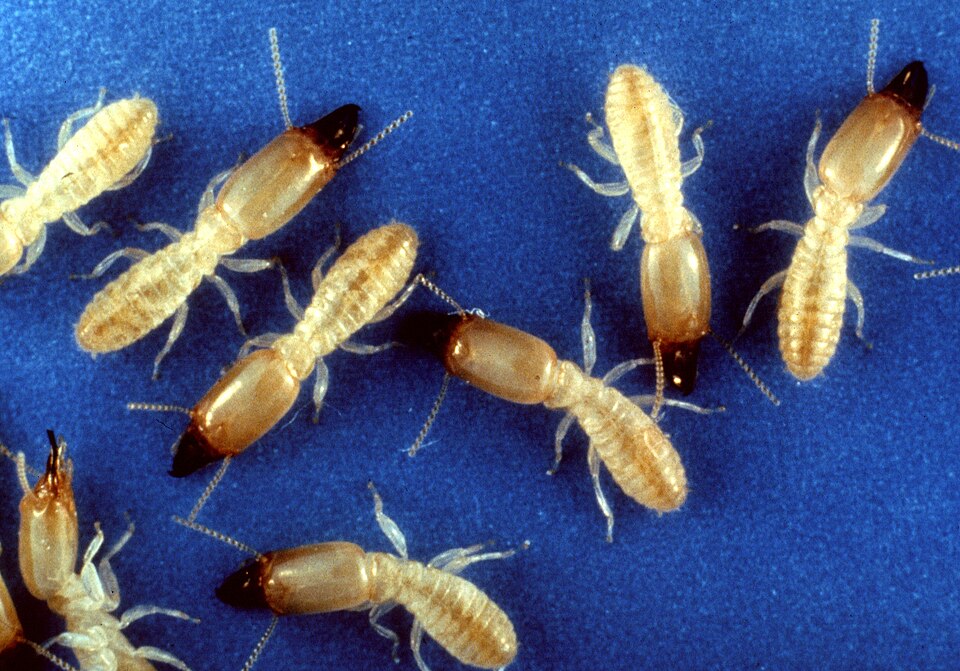
4–12 mm
Soft-bodied, pale cream to brown or black, with straight bead-like antennae. Workers most common; soldiers have larger jaws.
Only swarmers have wings — transparent, with uniform vein patterns. Discarded wings are a key infestation sign.
Cellulose — wooden beams, furniture, drywall paper, books, insulation. Drawn to wood with moisture exposure.
Live in large colonies with workers, soldiers, and reproductives. Build mud tubes for protected travel between soil and wood.
Damp, dark spaces — beneath buildings, near leaky pipes, in poorly ventilated voids, and soil close to structural wood.
Don't transmit disease but can cause severe structural damage. Damage from a mature colony can total millions of rupees.
Every termites engagement follows our proven three-step methodology — tailored precisely to this pest.
Inspect foundations, basements, crawlspaces, and wood structures for tubes, damage, and moisture.
Deploy liquid termiticide barriers, in-ground baiting systems, or fumigation depending on species and severity. Repair structural damage and reduce moisture.
Annual inspections and bait monitoring; reapply barrier treatments per chemistry lifespan.
The most common things people ask us about termites — straight from years of fieldwork.
Identify and learn about pests that share habits, habitats, or treatment approaches.
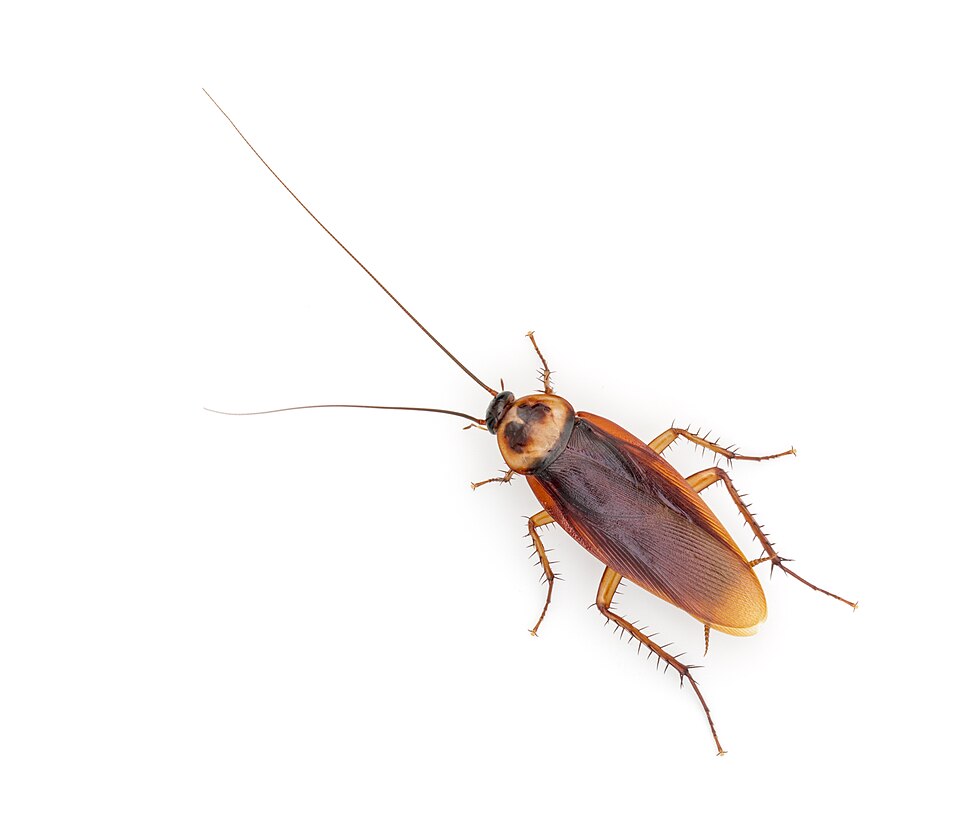 Crawling
The large reddish-brown 'palmetto bug'
Large fast-running roaches that can fly short distances and thrive in damp, dark spaces near plumbing — a major contamination risk.
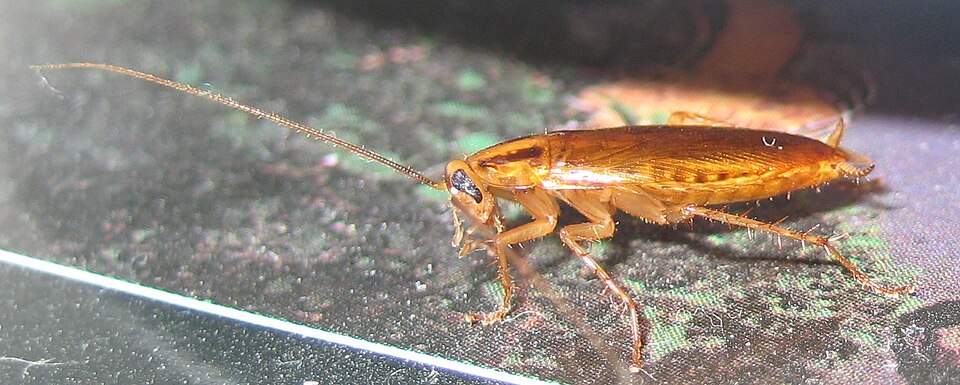 Crawling
The small kitchen-dwelling fast breeder
The most common indoor cockroach worldwide — small, light brown, and the fastest-breeding species, requiring professional control.
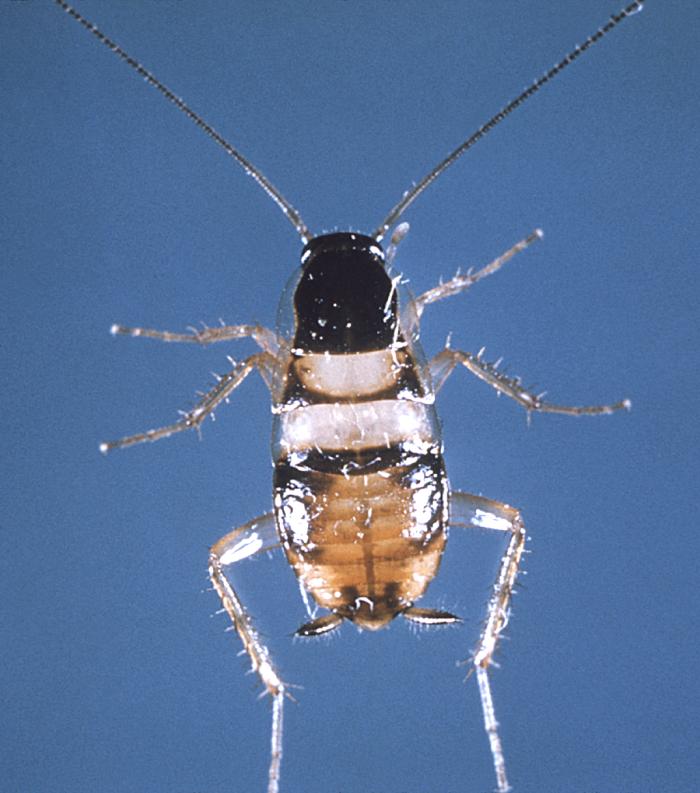 Crawling
The dry-loving roach found high and hidden
A small banded roach that prefers dry, warm, elevated locations — often found in bedrooms, electronics, and high cabinets, unlike kitchen roaches.
Choose Urban Pest Solution for comprehensive, technology-driven pest control. Our A.I.R approach makes us the ideal partner for a pest-free environment.