
Loading…
Apis spp.
Essential pollinators that occasionally nest in cavities and walls — should be relocated by beekeepers rather than exterminated.
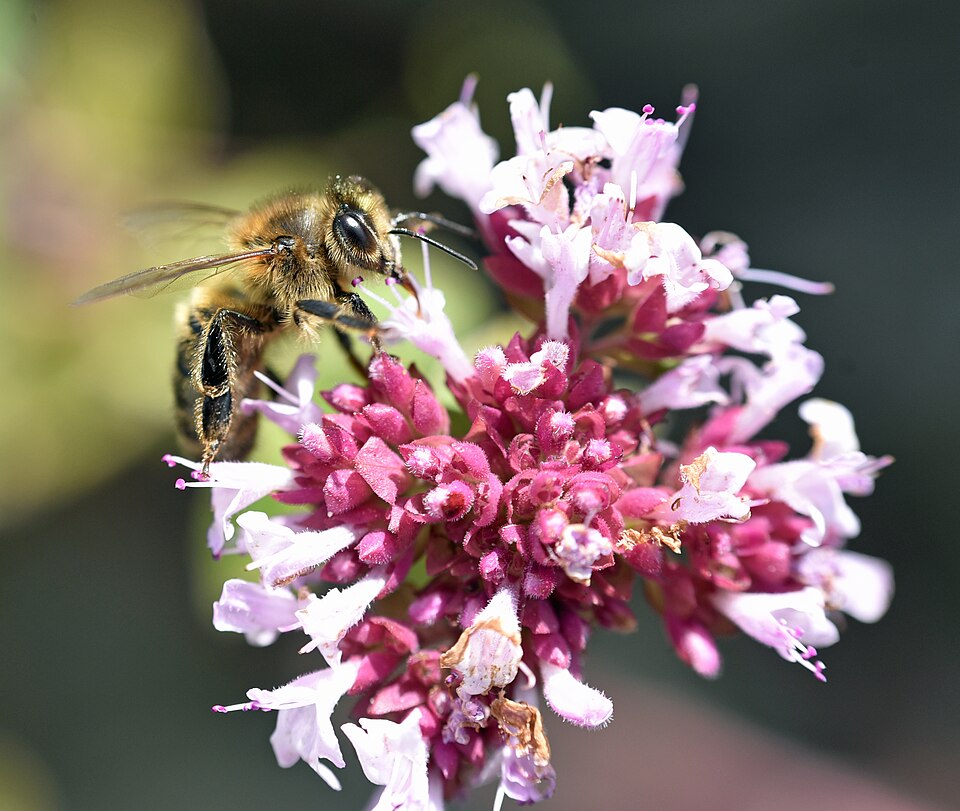
1.2–1.6 cm
Golden-brown with black bands, compact and hairy body that aids pollen collection.
Transparent, neatly folded at rest.
Nectar for energy and pollen for protein, gathered from flowering plants and trees.
Direct flight toward flowers or hive. Foragers travel up to 5 km from the colony. Swarming is part of natural reproduction.
Tree cavities, building crevices, wall voids, and chimneys — anywhere providing a sheltered cavity near flowering plants.
Stings can trigger severe allergic reactions. Honey bees sting only defensively — most contact is harmless.
Every honey bees engagement follows our proven three-step methodology — tailored precisely to this pest.
Identify hive location and behavior — swarming, foraging, or established colony.
Coordinate with licensed beekeepers for live relocation. Avoid pesticides on healthy colonies.
Seal cavity entrances after removal and monitor for re-entry.
The most common things people ask us about honey bees — straight from years of fieldwork.
Identify and learn about pests that share habits, habitats, or treatment approaches.
 Flying
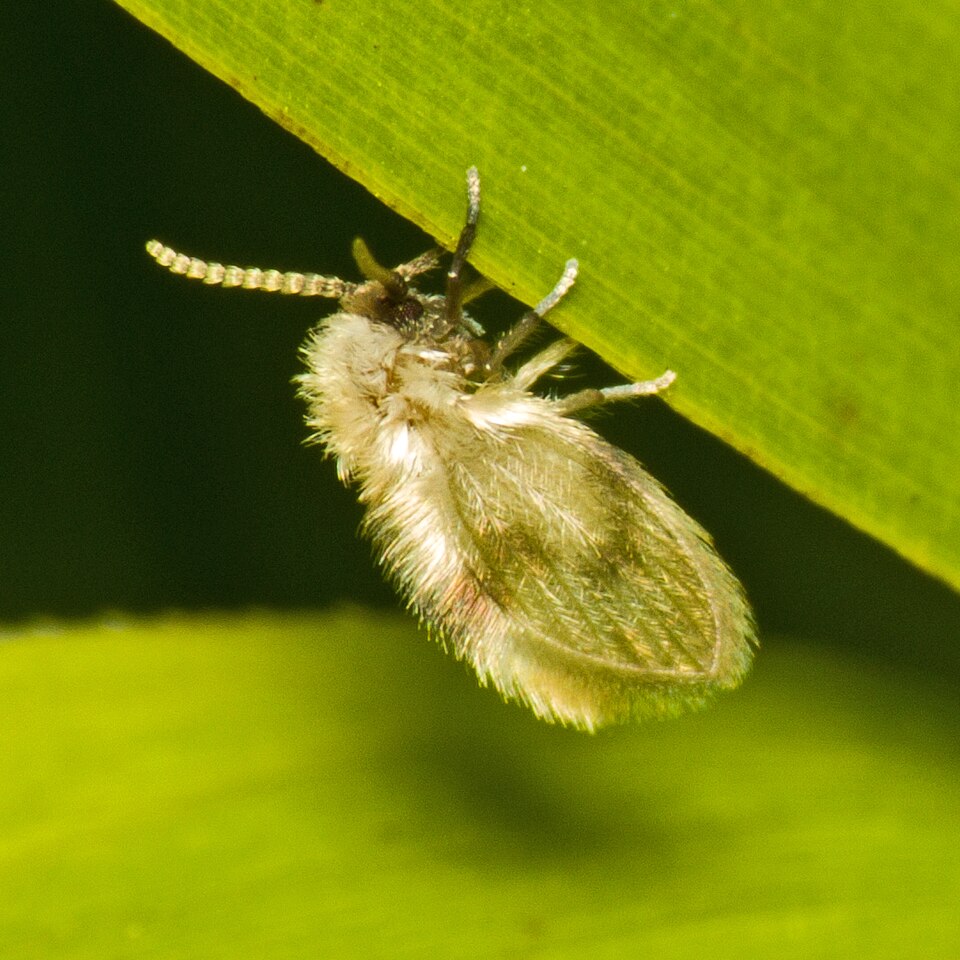
Tiny moth-like fliers in damp drains
Small fuzzy flies that breed in clogged drains, sink traps, and stagnant water — a clear signal of hidden sanitation issues.
 Flying
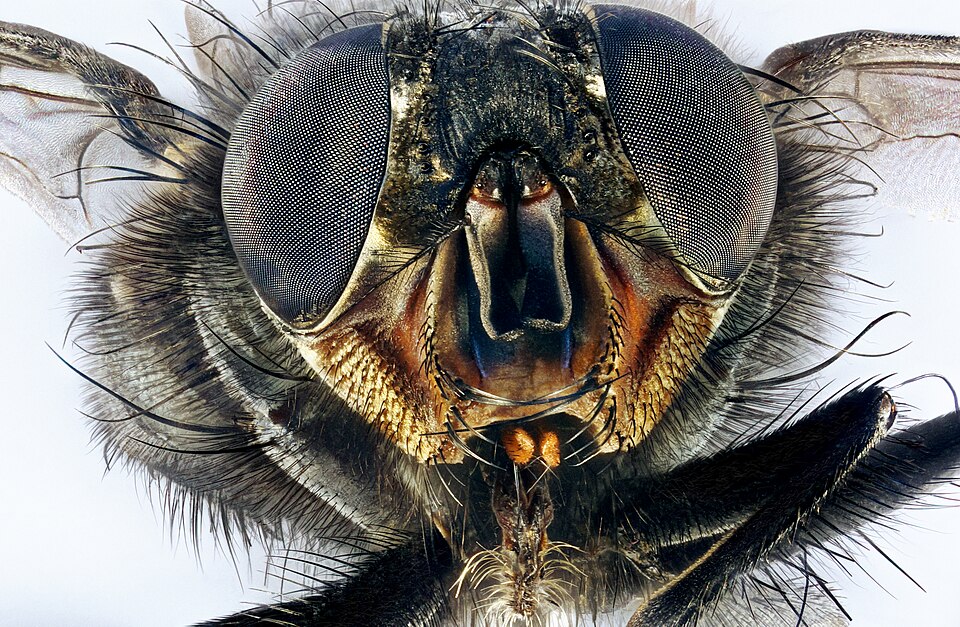
The classic disease-spreading household pest
A common gray fly with sponging mouthparts that lands on food, waste, and surfaces — a major mechanical vector of bacterial disease.
 Flying
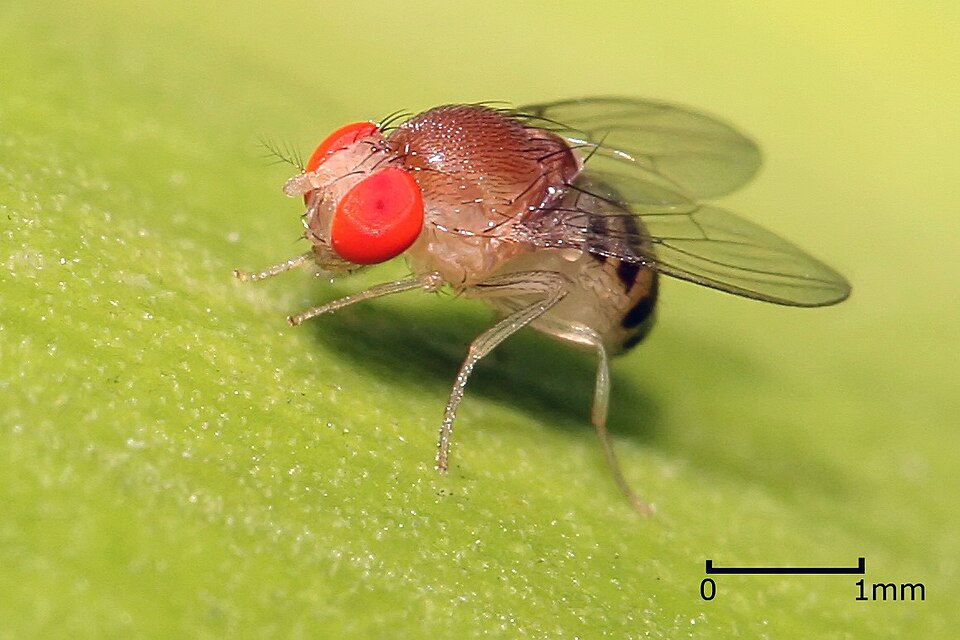
Tiny hovering flies on overripe produce
Small tan flies with red eyes that breed in fermenting fruit, drains, and sugary residues — capable of explosive population growth.
Choose Urban Pest Solution for comprehensive, technology-driven pest control. Our A.I.R approach makes us the ideal partner for a pest-free environment.